

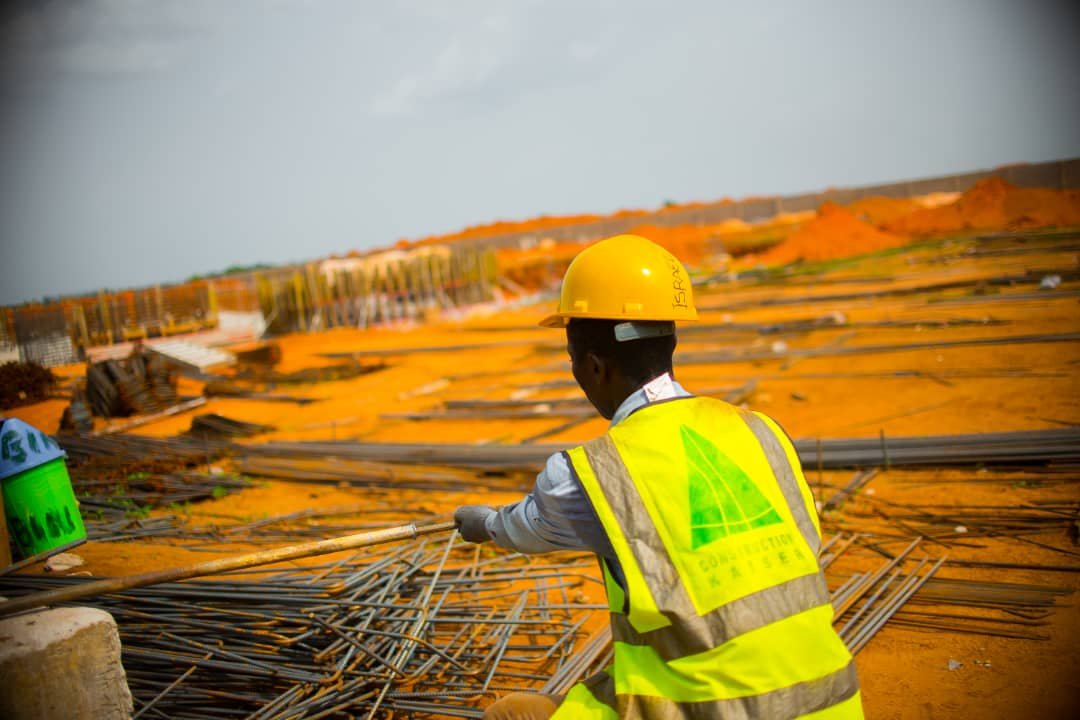
Nigeria’s construction industry continues to expand as demand rises for roads, housing, commercial buildings, energy facilities, and public infrastructure. Yet, many projects still struggle with delays, budget overruns, poor coordination, material shortages, and weak site supervision. Reports from global construction studies show that large construction projects frequently exceed planned schedules and costs due to ineffective planning and execution processes. A strong construction execution strategy has therefore become one of the most important factors in delivering successful projects in Nigeria’s fast-changing construction environment. At Dutum Group, every stage of construction is carefully coordinated to ensure projects move from planning to delivery with efficiency, quality, and accountability.
Meanwhile, construction projects in Nigeria often face difficult realities that affect performance and investor confidence. Unclear project timelines, poor communication between contractors, rising material costs, inconsistent safety practices, and delays in approvals can quickly slow down progress on-site. Many developers also struggle with procurement challenges, workforce management, equipment coordination, and maintaining quality standards across multiple project phases. These issues not only increase costs but also create frustration for clients expecting timely and professional delivery. Effective execution strategies, therefore, help construction firms stay organized, reduce risks, and maintain control throughout the entire building process.
This guide explains how a construction execution strategy works in Nigeria’s construction sector and why it plays a major role in project success. You will discover how planning, scheduling, risk management, engineering coordination, procurement, and site supervision come together to improve delivery outcomes. The article also highlights how we apply industry experience, technical expertise, and structured execution systems to deliver reliable infrastructure and construction projects across Nigeria.
You can also see Project Management vs Construction Management
The Construction Execution Strategy in Nigeria
1. Project Initiation and Feasibility Study
Every successful construction execution strategy in Nigeria usually begins long before equipment arrives on-site. A developer planning a factory, hospital, road, or commercial facility must first understand whether the project is financially, technically, and environmentally realistic. Poor feasibility planning remains one of the major reasons construction projects experience delays, abandoned works, and budget overruns across Nigeria’s construction sector.
A proper feasibility study helps investors evaluate land conditions, project risks, expected costs, and operational opportunities before construction starts. Site investigations, environmental assessments, and engineering studies also help identify challenges linked to flooding, soil stability, drainage systems, and accessibility. Regulatory agencies such as NESREA and state urban development authorities may also require environmental and land-use assessments before project approvals are granted.
Key Focus Areas
- Site analysis and land assessment
- Preliminary engineering evaluation
- Cost and timeline forecasting
- Environmental impact considerations
- Risk identification and mitigation planning
Strong feasibility studies create a solid foundation for efficient project delivery and long-term infrastructure sustainability.
2. Regulatory Approvals and Compliance
Construction projects in Nigeria often face delays when approvals and compliance processes are not handled properly from the beginning. A strong construction execution strategy therefore includes early engagement with regulatory authorities to avoid disruptions during project execution.
Developers and contractors are usually required to comply with the Nigerian Building Code, environmental regulations, engineering standards, and urban planning laws. Agencies such as the Council for the Regulation of Engineering in Nigeria (COREN), NESREA, and state physical planning authorities help monitor compliance across different project stages. Proper documentation, engineering approvals, and construction permits also help reduce legal and operational risks.
Important Compliance Requirements
| Requirement | Purpose |
| Development Permits | Legal project approval |
| Environmental Clearance | Environmental protection compliance |
| Engineering Approval | Structural and technical verification |
| Land Documentation | Ownership and planning validation |
Strong regulatory compliance improves project credibility, safety, and operational stability.
3. Detailed Project Planning
Once approvals are secured, detailed planning becomes one of the most important stages of any construction execution strategy. Many construction projects in Nigeria struggle due to poor scheduling, weak coordination, and inconsistent communication between contractors and stakeholders.
Detailed project planning helps organize every stage of construction from procurement to workforce coordination and material delivery. Contractors usually prepare work breakdown structures, execution schedules, logistics plans, and milestone tracking systems to improve operational efficiency. Modern project planning also supports better resource allocation and helps reduce unnecessary downtime on-site.
Main Planning Components
- Construction scheduling
- Procurement planning
- Resource allocation
- Logistics coordination
- Project milestone tracking
A well-structured plan creates better communication between engineers, contractors, consultants, and clients throughout the construction process.
Also See: Construction Drawings Explained: Full Guide
4. Budgeting and Cost Management
Rising inflation, fluctuating exchange rates, and unstable material prices continue to affect construction costs across Nigeria. Effective budgeting and cost management therefore play a major role in every successful construction execution strategy.
Project managers must develop accurate cost estimates covering materials, labor, equipment, logistics, permits, and operational expenses. Financial control systems also help monitor project spending and reduce waste during execution. Contingency planning remains important because unexpected market conditions, transportation issues, or procurement delays can increase project costs significantly.
Areas Covered in Cost Management
- Material cost estimation
- Financial risk planning
- Cash flow monitoring
- Procurement budgeting
- Expense tracking systems
Careful financial management helps construction firms maintain profitability while delivering projects within approved budgets.
5. Site Preparation and Mobilization
Construction activities cannot move efficiently without proper site preparation and mobilization. Many project delays in Nigeria occur when access roads, workforce coordination, utilities, or equipment mobilization are poorly managed at the early stages of construction.
Site preparation usually involves land clearing, grading, temporary facility installation, drainage planning, and safety setup before structural works begin. Contractors also mobilize engineers, supervisors, equipment operators, and construction materials to prepare the site for active operations. Safety systems are equally important during this stage to comply with workplace regulations and reduce operational hazards.
Major Site Mobilization Activities
- Land clearing and grading
- Equipment mobilization
- Workforce deployment
- Temporary facility installation
- Site security and safety setup
Efficient mobilization improves workflow coordination and helps construction activities progress smoothly from the first phase of project execution.
6. Procurement and Supply Chain Management
A strong construction execution strategy in Nigeria depends heavily on proper procurement and supply chain management. Many projects that begin with good plans later experience delays due to material shortages, poor supplier coordination, rising transportation costs, and unstable market prices. Construction activities can slow down quickly when cement, steel, electrical materials, or heavy equipment do not arrive on time.
Construction companies therefore focus on selecting reliable suppliers, verifying material quality, and maintaining organized delivery schedules throughout project execution. Procurement teams also monitor inventory systems to avoid waste, theft, or material damage on-site. Standards set by agencies such as the Standards Organisation of Nigeria (SON) help contractors ensure construction materials meet approved quality requirements.
Key Procurement Activities
- Supplier and subcontractor selection
- Material quality verification
- Equipment sourcing and scheduling
- Inventory management systems
- Delivery coordination and tracking
Efficient procurement systems help projects maintain steady progress without unnecessary operational interruptions.
7. Workforce and Resource Management
Behind every successful construction project in Nigeria is a coordinated workforce made up of engineers, supervisors, technicians, artisans, and subcontractors. Construction execution strategy becomes more effective when human resources are properly managed from the early stages of project delivery.
Large projects often involve multiple teams working simultaneously across different sections of the site. Project managers, therefore, assign responsibilities carefully to improve communication, supervision, and operational efficiency. Workforce welfare and technical training also remain important because skilled labor shortages can affect productivity and construction quality within Nigeria’s growing infrastructure sector.
Important Workforce Management Areas
| Area | Purpose |
| Technical Recruitment | Skilled project execution |
| Site Supervision | Better coordination and monitoring |
| Workforce Training | Improved productivity and safety |
| Labor Welfare | Stronger workforce stability |
Well-managed teams help construction activities move faster while reducing operational mistakes and delays.
8. Health, Safety, and Environmental Management
Health and safety management remains one of the most critical parts of any construction execution strategy in Nigeria. Construction sites often involve heavy equipment, elevated work areas, electrical systems, excavation activities, and large workforce operations that can create safety risks when proper controls are not implemented.
Construction companies now place stronger attention on workplace safety procedures, environmental protection systems, and routine inspections to reduce accidents and operational hazards. Regulatory agencies such as the Federal Ministry of Labour and Employment, NESREA, and state safety authorities help monitor compliance with occupational safety standards across construction projects.
Core Safety and Environmental Measures
- Routine site safety inspections
- Personal protective equipment (PPE) usage
- Hazard identification procedures
- Emergency response systems
- Environmental pollution control
Strong safety systems protect workers, improve operational efficiency, and reduce project disruptions caused by accidents or regulatory violations.
9. Construction Phase Execution
The construction phase is where planning, engineering, procurement, and workforce coordination come together on-site. A proper construction execution strategy helps contractors manage structural works, civil engineering operations, daily site coordination, and technical problem-solving efficiently throughout this stage.
Construction activities in Nigeria can face challenges linked to weather conditions, logistics delays, equipment breakdowns, and changing project requirements. Strong site management therefore becomes essential for maintaining schedules and ensuring each construction stage meets approved engineering standards. Project managers also track daily progress to identify issues early before they affect delivery timelines.
Major Construction Activities
- Structural and civil engineering works
- Site coordination and supervision
- Progress monitoring systems
- Technical issue resolution
- Daily operational management
Efficient execution systems help contractors maintain quality, reduce delays, and improve overall project performance.
10. Quality Control and Inspection
Quality control is one of the final pillars that determine whether a construction project performs successfully after completion. Poor quality management can lead to structural failures, maintenance problems, safety risks, and expensive repairs within a short period.
Construction firms therefore conduct routine inspections, engineering assessments, and material testing throughout project execution. Compliance with standards established by COREN, SON, and the Nigerian Building Code also helps ensure structural integrity and construction durability. Inspection reports and testing records provide important documentation that supports accountability and long-term facility performance.
Key Quality Control Processes
- Material testing and verification
- Structural inspections
- Engineering compliance monitoring
- Finishing quality assessment
- Documentation and reporting systems
Strong quality management helps ensure industrial, commercial, and infrastructure projects remain safe, durable, and operational for many years.
11. Communication and Stakeholder Coordination
Large construction projects in Nigeria often involve clients, consultants, engineers, subcontractors, suppliers, government agencies, and community representatives working together at the same time. A strong construction execution strategy, therefore, depends heavily on proper communication and stakeholder coordination throughout the project lifecycle.
Poor communication can easily lead to misunderstandings, design conflicts, delayed approvals, and costly construction errors. Project managers usually organize regular meetings, progress reports, and documentation systems to keep every stakeholder informed about site activities and project timelines. Regulatory bodies and consultants also rely on accurate documentation to verify compliance and engineering performance during inspections.
Important Coordination Activities
- Progress meetings and reporting
- Consultant and contractor coordination
- Documentation management
- Client communication systems
- Issue resolution procedures
Strong communication systems improve transparency, reduce disputes, and help projects move smoothly from one stage to another.
12. Risk Management and Problem Resolution
Every construction project in Nigeria faces risks linked to inflation, security concerns, material shortages, weather conditions, and operational delays. A proper construction execution strategy therefore includes structured risk management systems that help contractors respond quickly when challenges arise.
Construction companies usually identify operational and financial risks early so they can prepare contingency plans before problems escalate. Security monitoring, procurement tracking, and environmental risk assessments also help reduce disruptions during project execution. Agencies such as NESREA and state safety authorities may require contractors to maintain environmental and operational risk control procedures on large projects.
Common Construction Risks
| Risk Area | Possible Impact |
| Material Delays | Slower project progress |
| Inflation | Increased construction costs |
| Security Issues | Site disruptions |
| Weather Conditions | Operational downtime |
Strong risk management helps construction firms maintain stability and protect project timelines even during difficult conditions.
13. Technology and Project Monitoring
Technology is becoming increasingly important in modern construction execution strategy across Nigeria’s infrastructure and industrial sectors. Contractors now rely on digital systems to improve project coordination, monitor progress, and manage engineering operations more efficiently.
Project management software, digital reporting platforms, and engineering design tools help teams track workforce productivity, equipment performance, and construction schedules in real time. Technology also improves communication between site engineers, consultants, and project managers working across multiple locations.
Technology Used in Construction Projects
- Project management software
- Digital reporting systems
- Engineering design applications
- Equipment monitoring tools
- Real-time communication platforms
Modern technology helps construction companies reduce operational delays, improve reporting accuracy, and strengthen overall project efficiency.
14. Testing, Handover, and Commissioning
As construction activities near completion, testing and commissioning become critical stages within the construction execution strategy. A building or infrastructure project must be properly inspected and verified before it is officially handed over to the client.
Engineers and consultants usually conduct final inspections, equipment testing, and system verification procedures to confirm that the project meets approved specifications and operational standards. Compliance with engineering regulations from agencies such as COREN and state building authorities also helps ensure structural safety and long-term functionality.
Key Final Stage Activities
- Structural inspections and testing
- Equipment and system commissioning
- Compliance verification procedures
- Final project documentation
- Official project handover
Proper commissioning helps reduce post-construction defects and ensures facilities are ready for safe operation immediately after completion.
15. Post-Construction Maintenance and Support
Construction execution strategy does not end immediately after project handover. Long-term maintenance and technical support are important for protecting infrastructure value and operational performance across Nigeria’s construction sector.
Construction firms often provide maintenance guidance, technical support, and defect correction services after project completion. Regular performance evaluations also help identify maintenance needs before they become major structural problems. Proper facility management supports sustainability, improves building lifespan, and reduces future repair costs for project owners.
Important Post-Construction Services
- Facility maintenance guidance
- Technical support systems
- Defect correction procedures
- Infrastructure performance evaluation
- Long-term operational support
Strong post-construction support helps clients maintain safe, durable, and efficient facilities for many years after project delivery.
Frequently Asked Questions
A construction execution strategy is a structured plan that explains how a construction project will be managed from planning and procurement to execution, inspection, and final delivery.
The major stages usually include feasibility studies, regulatory approvals, project planning, procurement, workforce management, construction execution, quality control, testing, and project handover.
Project managers, engineers, consultants, contractors, and construction management teams usually work together to prepare the execution strategy before construction begins.
The strategy creates clear timelines, procurement schedules, workforce coordination systems, and risk management procedures that help projects stay organized throughout execution.
Leave a Reply