

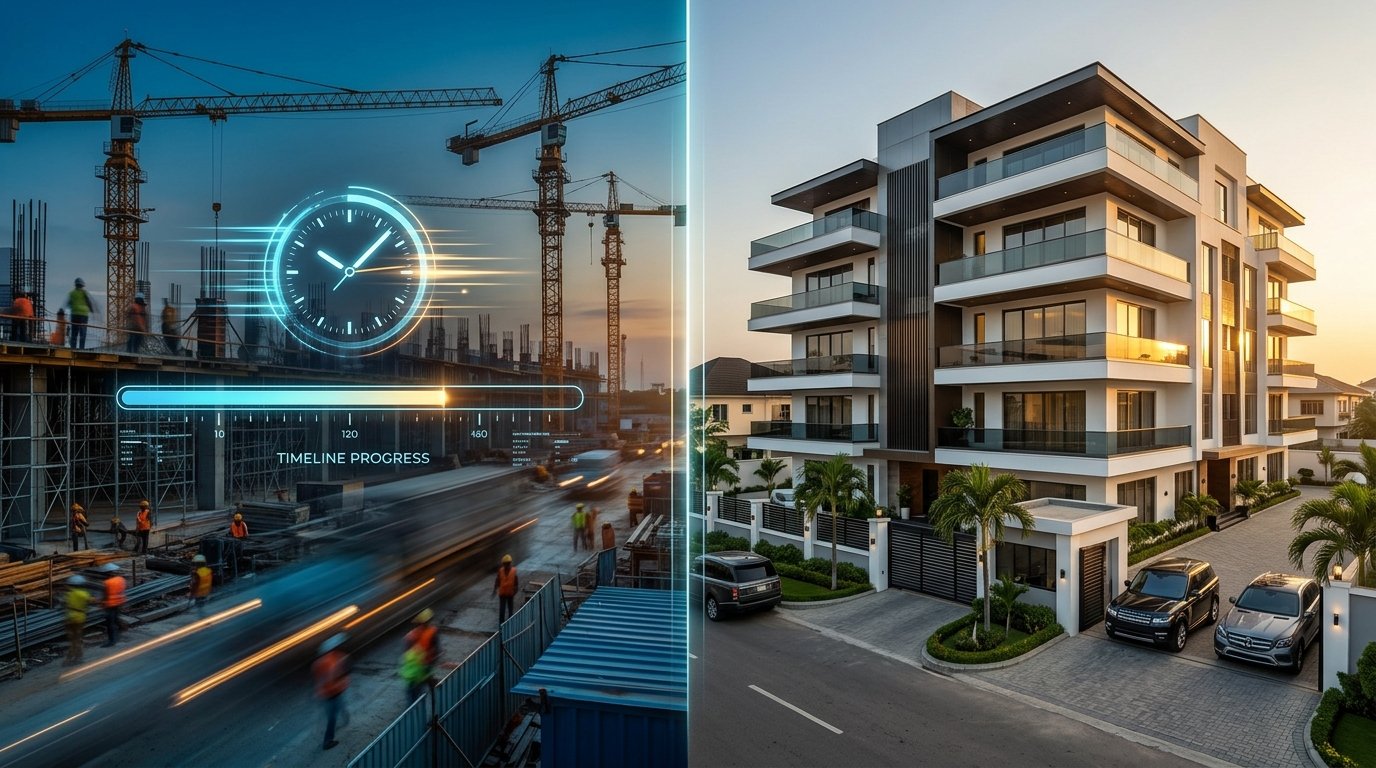
A construction project can start with an ambitious vision and still lose time and money when design decisions, cost estimates, and site work fall out of step. Separate contracts can leave owners coordinating architects, engineers, and contractors while design changes trigger extra costs and delays. The design and build procurement method offers another approach: one main contractor takes responsibility for both design and construction. The Design-Build Institute of America explains how this integrated approach brings design and construction teams together under one contract.
Without proper planning, however, design and build can still create problems. Unclear project requirements, weak cost controls, and poor communication can lead to disagreements, unexpected expenses, or results that fall short of expectations.
At Dutum Construction Company, we understand the value of coordinated project delivery. This guide explores the key benefits of the design and build procurement method, its potential challenges, and how Nigerian developers can assess whether it suits their projects.
Also See: 5 Construction Cost Estimation Methods to Know
What Is the Design and Build Procurement Method?
The design and build procurement method allows a client to appoint one main contractor to manage both the design and construction of a project under a single contract. Instead of hiring a designer and a construction contractor separately, the client works with one team that coordinates both stages.
This approach encourages early collaboration between design professionals and construction specialists. The team can consider the project’s budget, materials, site conditions, and construction requirements during the design stage. These decisions can help reduce coordination problems and support smoother project delivery.
In Nigeria, clients should define the contractor’s responsibilities, design requirements, payment terms, and quality expectations in the contract. Public projects must also follow applicable procurement rules, including the Public Procurement Act 2007, where relevant. Clients should confirm that the project team meets applicable professional registration and building approval requirements.
Also See: Contractor Selection Criteria for Nigerian Projects
7 Key Benefits of the Design and Build Procurement Method
#1. A Single Point of Responsibility
The client works with one lead contractor who coordinates design and construction. This arrangement clarifies responsibilities and gives the client a central contact for project updates, decisions, and issues.
#2. Better Coordination Between Design and Construction
Designers and construction specialists can work together from the early stages. This helps the team identify practical challenges before work begins and select solutions that suit the project’s needs.
#3. Faster Project Delivery
The team can begin some construction activities while completing other design details, provided the contract and required approvals allow it. This overlap can shorten the overall schedule compared with completing every design stage before construction starts.
#4. Improved Cost Control and Budget Planning
Early input from construction professionals helps the team assess material choices, labour needs, and construction methods before finalising the design. The client can then make informed decisions about scope and costs. However, design changes and market price increases can still affect the final budget.
Also See: How the Shopping Mall Construction Process Works
#5. Fewer Design Conflicts and Delays
Close coordination between designers and builders can help identify conflicting drawings, difficult details, and unsuitable materials earlier. Resolving these issues during planning can reduce rework and avoid some construction delays.
#6. Greater Collaboration and Clearer Communication
A shared project team encourages regular communication between the client, designers, engineers, and construction specialists. Clear reporting and agreed approval procedures help everyone understand project requirements and respond to changes more effectively.
#7. More Practical Design and Construction Decisions
Construction specialists can advise on material availability, site conditions, maintenance needs, and suitable building methods during design development. This input helps the team balance appearance, function, durability, and cost.
Also See: Facade Engineering for Modern Buildings in Nigeria
When Should You Choose the Design and Build Procurement Method?
The design and build procurement method suits projects that need close coordination between design and construction, a clear line of responsibility, and opportunities to make early cost and scheduling decisions.
Consider this approach if your project has the following needs:
- A tight completion schedule: Design and construction activities may overlap where appropriate and permitted.
- A defined budget: Early construction input can help the team assess costs and make informed design choices.
- Simplified project coordination: One main contractor can coordinate the design and construction teams.
- Complex technical requirements: Early collaboration can help resolve design and construction challenges before they affect site work.
- Flexibility in design development: The client can work with the team to balance functional needs, materials, and construction methods.
However, this method may not suit every project. Clients who want to complete and independently approve a detailed design before selecting a contractor may prefer traditional procurement. Design and build also requires a clear brief, agreed performance standards, and a robust contract to protect the client’s interests.
How Dutum Construction Company Supports Effective Project Delivery
At Dutum Construction Company, we understand the importance of careful planning, effective coordination, and quality control in construction. We work to align project requirements with practical construction solutions, helping clients make informed decisions that support their goals, budgets, and timelines.
Frequently Asked Questions About the Design and Build Procurement Method
The client appoints one main contractor to coordinate both design and construction under a single contract. The team develops the design, plans the work, manages construction, and delivers the project according to the agreed requirements.
Design and build combines design and construction under one main contract. Traditional procurement usually involves the client appointing a designer first and selecting a contractor after completing the design.
It can help control costs through early contractor input, coordinated planning, and fewer design conflicts. However, the final cost depends on the project scope, material prices, design changes, and contract terms.
No. It suits projects that benefit from integrated design and construction management. Traditional procurement may suit clients who want greater control over the design before appointing a contractor. The best choice depends on the project’s complexity, budget, timeline, and requirements.
Leave a Reply