

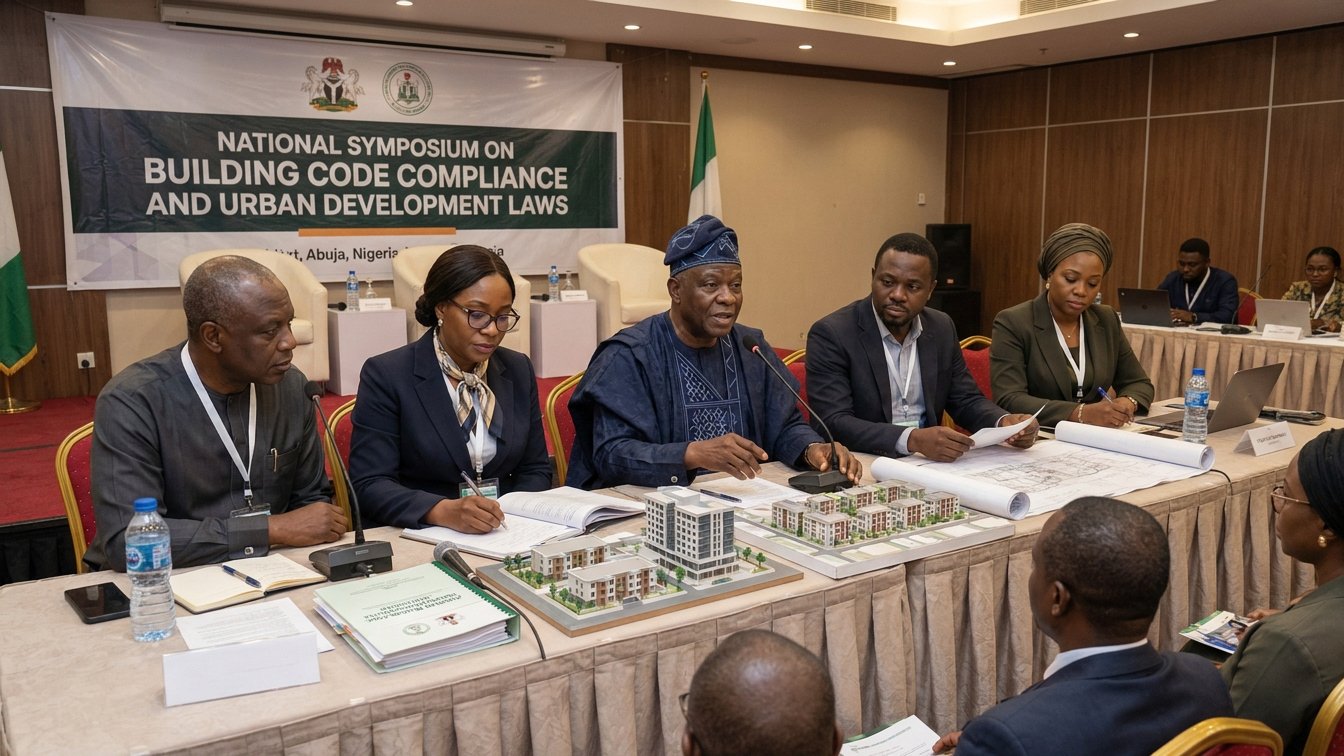
A developer buys land, hires a contractor, and prepares to build, only to discover that the project lacks the necessary approvals. Construction stops, costs increase, and months of planning face uncertainty. Understanding building regulations in Nigeria helps prevent such setbacks. The Federal Ministry of Housing and Urban Development identifies the National Building Code as a framework for minimum standards covering building design, construction, and safety.
However, meeting these requirements involves more than obtaining a building permit. Developers must understand land-use restrictions, approved drawings, structural requirements, professional certifications, and inspections. Different state approval procedures, incomplete documentation, and construction that departs from approved plans can also create costly problems.
This guide explains the building laws, regulatory agencies, required approvals, and compliance steps developers should know. With our experience in engineering, building construction, and project delivery, you’ll gain practical insights into planning safer, compliant construction projects in Nigeria.
Also See: Construction Contract Administration: Roles and Process
What Are Building Regulations in Nigeria?
Building regulations in Nigeria are laws, rules, and technical standards that guide how developers plan, design, construct, and maintain buildings. They help protect lives, prevent unsafe construction, and ensure that buildings meet the requirements for their intended use.
For example, a developer planning a commercial building in Lagos must consider land-use restrictions, structural safety, building height, setbacks, and other planning conditions before construction begins. Ignoring these requirements can lead to rejected applications, stop-work notices, or enforcement action.
Nigeria uses national legal frameworks alongside state-specific planning and building-control requirements. The National Building Code provides a framework for minimum building standards, while relevant state authorities administer and enforce applicable development and construction requirements.
Major Building Laws and Regulations in Nigeria
Several laws and regulatory frameworks influence construction activities in Nigeria. Their application depends on the project’s location, ownership, scale, and intended use.
| Law or regulation | What developers should know |
| National Building Code | Provides minimum technical and safety standards for building design, construction and maintenance. Its legal application depends on relevant adoption and implementation. |
| Nigerian Urban and Regional Planning Act | Establishes a framework for physical planning and development control, subject to the applicable jurisdiction and state planning laws. |
| Land Use Act 1978 | Governs land rights and administration, including statutory rights of occupancy and land-related consent requirements. |
| Engineers (Registration, etc.) Act | Regulates engineering practice through the Council for the Regulation of Engineering in Nigeria (COREN). |
| Environmental Impact Assessment Act | Requires environmental impact assessment procedures for projects that fall within its scope. |
| State planning and building-control laws | Govern development permits, construction monitoring and enforcement within the relevant state. |
In Lagos, the Lagos State Urban and Regional Planning and Development Law 2010, as amended, provides an important legal framework for physical planning and development control.
Developers should review the laws that apply to their particular project rather than assume that one national approval covers every construction requirement.
Also See: Best Institutional Building Contractors In Nigeria
Government Agencies Responsible for Building Regulations
Different government agencies oversee land development, construction standards, professional practice, and environmental compliance in Nigeria.
| Agency | Main responsibility |
| Federal Ministry of Housing and Urban Development | Develops national housing and urban development policies and supports building standards initiatives. |
| State physical planning authorities | Review proposed developments and administer planning permissions within their jurisdictions. |
| State building-control agencies | Monitor construction activities, conduct inspections and enforce applicable building-control requirements. |
| Council for the Regulation of Engineering in Nigeria (COREN) | Regulates engineering professionals, firms and engineering practice in Nigeria. |
| Standards Organisation of Nigeria (SON) | Develops Nigerian Industrial Standards covering construction materials and relevant technical requirements. |
| Federal Ministry of Environment and relevant state environmental authorities | Oversee applicable environmental assessment and compliance requirements. |
For Lagos projects, two important authorities include:
- Lagos State Physical Planning Permit Authority (LASPPPA): Handles physical planning permit applications and related development-control functions.
- Lagos State Building Control Agency (LASBCA): Monitors building construction, conducts relevant inspections and administers building-control certification.
Developers can consult the Lagos State Government, COREN and Standards Organisation of Nigeria for relevant regulatory information.
Building Permits and Approvals Required in Nigeria
Before construction starts, developers must identify the approvals that apply to their proposed building. A residential bungalow, commercial office complex, and high-rise development may face different requirements.
Common approvals and supporting documents include:
- Planning or development permit: Confirms that the proposed development meets applicable land-use and planning requirements.
- Architectural and structural drawings: Provide the design information required for technical assessment and approval.
- Environmental approval: Applies where the project’s nature, location or potential impacts trigger environmental assessment requirements.
- Fire safety approval: May apply to commercial, industrial, high-rise and other developments under the relevant authority’s requirements.
- Construction-stage certification: Confirms compliance at required stages of construction, including relevant structural inspections.
- Completion or occupancy certification: May be necessary before the completed building enters use, depending on local regulations.
For example, Lagos developers must follow applicable physical planning permit procedures and building-control requirements. Obtaining a development permit does not automatically remove the need for construction-stage inspections.
Important: Approval requirements and fees vary across states. Developers should confirm the applicable checklist with the authority responsible for their project location.
How to Obtain Building Approval in Nigeria
The building approval process differs across Nigerian states, but most projects follow a similar sequence from land verification to formal development permission.
#1. Confirm Land Ownership and Planning Requirements
Start with a proper land title search and confirm that the proposed use complies with the area’s planning requirements. Check the permitted building height, setbacks, land-use classification, and any restrictions affecting the site.
#2. Prepare Architectural and Engineering Drawings
Engage appropriately qualified professionals to prepare the required drawings and technical documents. Depending on the project, these may include architectural plans, structural calculations, service drawings and relevant site investigation reports.
#3. Submit the Application and Supporting Documents
Apply through the relevant state planning authority using its prescribed procedure. Submit the required land documents, drawings, application forms, and supporting reports.
Incomplete submissions can delay the review process, so confirm the authority’s current document checklist before applying.
#4. Complete Technical Reviews and Pay Applicable Fees
The authority reviews the application against planning and technical requirements. It may request corrections, additional documents, or clarification before determining the application.
Pay the prescribed assessment and permit fees through authorised channels and keep the receipts for future reference.
#5. Obtain Approval Before Starting Construction
Wait for the required development permit and satisfy any pre-construction conditions before beginning work. Keep approved drawings and permit documents available on site.
Once construction starts, notify the relevant building-control authority where required and arrange inspections at the prescribed stages. Any significant changes to approved plans may require further approval before implementation.
Also See: Construction Execution Strategy in Nigeria
Building Standards and Construction Compliance Requirements
Obtaining a building permit does not mean a developer can construct without further supervision. Building regulations in Nigeria also require attention to structural safety, materials, workmanship and inspections throughout construction.
Key construction compliance requirements include:
- Structural safety and foundations: Engineers must assess soil conditions, building loads and foundation requirements to ensure the structure can safely support its intended use.
- Approved materials and workmanship: Contractors should use materials that meet applicable standards and follow approved technical specifications. The Standards Organisation of Nigeria (SON) develops standards covering construction materials and building practices.
- Fire safety and emergency access: Buildings must meet applicable fire protection requirements, including suitable escape routes, emergency access and fire safety systems.
- Site safety and environmental management: Construction teams should control site hazards, manage waste, reduce dust and noise, and protect workers and neighbouring properties.
- Compliance with approved drawings: Contractors must follow authorised architectural and engineering plans. Significant design changes may require approval before implementation.
- Inspections and quality checks: Developers must arrange required inspections and maintain evidence of material testing, structural checks and construction-stage certifications.
In Lagos, the Lagos State Building Control Agency (LASBCA) monitors building construction and conducts inspections to assess compliance with approved plans and applicable requirements.
Common Building Regulation Violations and Their Consequences
Ignoring construction requirements can expose developers to financial losses, enforcement action, and serious safety risks. Some violations may remain unnoticed until an inspection reveals the problem.
| Common violation | Possible consequences |
| Building without approval | Stop-work notices, enforcement action, penalties or demolition proceedings. |
| Deviating from approved drawings | Rejection of unauthorised work, corrective instructions or suspension of construction. |
| Using unqualified professionals | Unsafe designs, professional or regulatory investigations and potential legal liability. |
| Ignoring structural and safety requirements | Structural defects, accidents, expensive repairs and possible enforcement action. |
| Skipping mandatory inspections | Delayed certification, corrective work, or restrictions on continued construction or occupation. |
For example, a developer who adds extra floors without the required structural assessment and approval may place additional loads on a building that the original design did not accommodate.
In Lagos, LASBCA can take enforcement action against developments that violate applicable building-control requirements. The consequences depend on the nature of the violation, the relevant law, and the authority’s findings.
How to Ensure Compliance with Building Regulations in Nigeria
Developers can reduce compliance problems through proper professional supervision and consistent monitoring from the beginning of construction.
The following steps can help:
- Engage qualified professionals: Work with appropriately registered architects, engineers, builders and other relevant construction professionals.
- Verify regulatory requirements: Confirm the applicable planning, building-control and environmental requirements for the project’s location.
- Keep approved documents accessible: Maintain current drawings, permits, technical reports and inspection records on site.
- Follow approved specifications: Ensure construction activities match the authorised design and agreed technical requirements.
- Coordinate inspections: Notify the relevant authorities and arrange inspections at the required construction stages.
- Document design changes: Obtain the necessary professional review and regulatory approval before implementing significant modifications.
- Conduct regular quality checks: Review materials, workmanship and completed activities before moving to the next construction stage.
Developers can also use the COREN registration portal to check the registration status of engineering practitioners and firms.
Building Regulation Compliance and Project Delivery with Dutum
Meeting building regulations requires coordination between design professionals, contractors, suppliers and project managers. Poor communication between these teams can create construction errors, delays, and compliance problems.
We provide Building Construction, Design & Build and Engineering, Procurement and Construction (EPC) services for projects in Nigeria. These services support a coordinated approach to planning and executing construction work.
Depending on the project scope, our capabilities can support developers through:
- Engineering coordination: Aligning construction activities with approved technical designs and project requirements.
- Construction planning: Organising work schedules, site activities and resources to support orderly project execution.
- Procurement management: Coordinating materials and equipment requirements with project specifications.
- Quality control: Monitoring workmanship, construction methods and material requirements.
- Project management: Supporting communication between consultants, contractors and other project stakeholders.
For developers planning commercial buildings, corporate facilities or other major construction projects, working with an experienced construction company can help reduce avoidable mistakes and improve coordination throughout delivery.
Explore Dutum’s construction services to learn more about its engineering and project delivery capabilities.
Frequently Asked Questions About Building Regulations in Nigeria
The National Building Code provides minimum standards for building design and construction. However, its enforceability depends on applicable state adoption and implementation. Developers must follow the building laws and standards that apply in their project location.
Developers generally need the relevant development or building approval before starting construction. Building without required approval can lead to enforcement action, penalties or demolition proceedings under applicable laws.
Approval timelines vary across states and projects. The completeness of the application, technical reviews, required corrections and the authority’s processing procedures can all affect the duration.
The relevant state or territorial planning authority handles development approvals. In Lagos, the Lagos State Physical Planning Permit Authority (LASPPPA) administers physical planning permits, while LASBCA handles building-control functions.
The Council for the Regulation of Engineering in Nigeria (COREN) regulates engineering practitioners and engineering firms. Other professional bodies and statutory regulators oversee their respective construction professions, while relevant government agencies enforce building and planning requirements.
Leave a Reply