

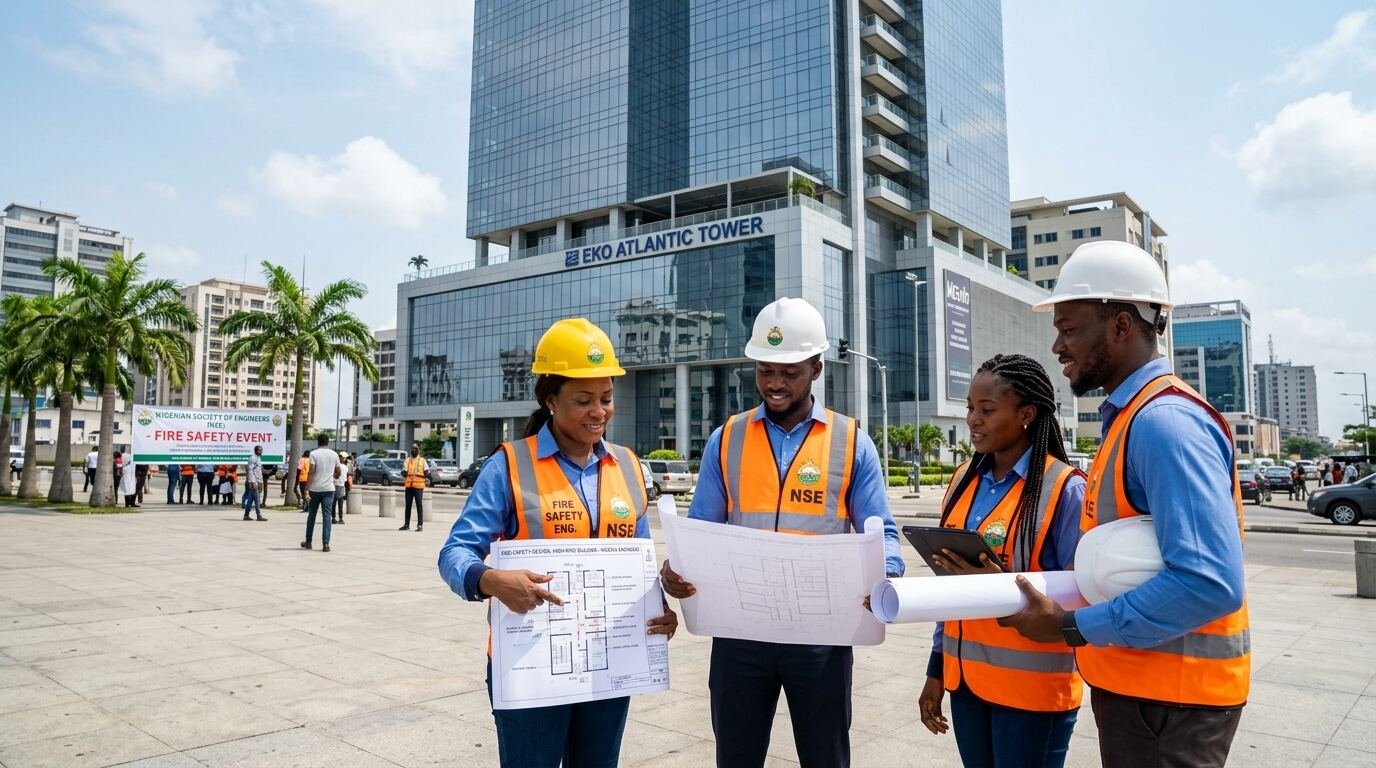
Fire can turn a modern high-rise building into a major emergency within minutes, making fire safety design for high rise buildings one of the most critical aspects of modern construction. According to the National Fire Protection Association (NFPA), fire departments respond to an estimated 14,830 high-rise building fires annually, resulting in civilian deaths, injuries, and millions of dollars in property damage. High-rise structures face unique risks such as rapid smoke movement, difficult evacuation, limited external firefighting access, and high occupant density. Poor fire planning can lead to regulatory violations, project delays, increased insurance costs, and serious threats to lives and assets. Effective fire safety design therefore goes far beyond installing extinguishers; it requires a comprehensive strategy that protects people, property, and business continuity.
Developers, facility owners, and project stakeholders often struggle to determine whether a building has adequate fire protection systems and complies with modern safety standards. Important concerns usually include:
- What fire safety systems are required in high-rise buildings?
- How do evacuation routes and emergency exits improve occupant safety?
- Which building materials help reduce fire spread?
- How can developers comply with local building regulations and international fire standards?
- What role do sprinklers, smoke control systems, and fire-resistant construction play in protecting lives?
Understanding these requirements is essential for delivering safe and resilient buildings that can withstand emergencies while meeting regulatory expectations.
This guide explores the key principles of fire safety design for high-rise buildings, including fire protection systems, evacuation planning, smoke management, fire-resistant materials, and regulatory compliance. You will also learn how Dutum Group applies engineering expertise, quality assurance processes, and modern construction practices to help deliver safe, compliant, and sustainable building projects across Nigeria, ensuring that safety remains a priority from design through project completion.
Also See: Top 10 Tallest Buildings in Nigeria
Why Fire Safety Is Critical in High-Rise Buildings
Fire safety is a major priority in tall structures because the risks increase as buildings become higher and more complex. Effective fire safety design for high rise buildings helps protect lives, reduce property damage, and support safe evacuation during emergencies. Below, you will see more reasons in detail why fire safety is necessary.
#1. Longer Evacuation Times
Occupants on upper floors often need more time to reach a safe exit during a fire. Unlike low-rise buildings, evacuation may involve travelling down several flights of stairs before reaching ground level.
Fire safety systems must therefore support orderly evacuation while protecting occupants from smoke and heat during the process.
#2. Vertical Fire and Smoke Spread
Heat and smoke naturally rise through a building. Without proper fire protection measures, smoke can quickly move through stairwells, shafts, ducts, and other vertical openings.
The National Fire Protection Association (NFPA) identifies smoke as one of the greatest threats to occupants during a fire because it can reduce visibility and affect breathing.
#3. Challenges for Emergency Responders
Firefighters face additional challenges when responding to incidents in high-rise buildings. Accessing upper floors can take time, while firefighting equipment positioned at ground level may have limited reach.
Modern fire safety strategies help emergency teams respond more effectively through features such as protected stairwells, fire command centres, communication systems, and automatic suppression systems.
#4. Protecting Occupants, Assets, and Business Operations
A well-designed fire protection system does more than protect lives. It also helps safeguard:
- Building infrastructure
- Equipment and assets
- Business operations
- Tenant investments
- Critical services
Effective fire safety design for high-rise buildings can significantly reduce disruption and recovery costs following an emergency.
Essential Fire Safety Design Requirements for High Rise Buildings
#1. Fire-Resistant Building Materials and Compartmentation
Fire-resistant construction materials help slow the spread of flames and heat. Structural elements such as walls, floors, doors, and ceilings are often designed with specific fire-resistance ratings.
Compartmentation divides a building into separate fire zones, helping to contain a fire within a limited area and giving occupants more time to evacuate safely.
#2. Automatic Fire Detection and Alarm Systems
Early detection is critical during a fire emergency.
Modern fire alarm systems typically include:
- Smoke detectors
- Heat detectors
- Manual call points
- Audible alarms
- Visual warning devices
These systems provide early notification, allowing occupants and emergency responders to react quickly.
#3. Automatic Fire Sprinkler Systems
Automatic sprinkler systems are among the most effective fire protection measures in high-rise buildings.
Sprinklers can:
- Detect heat from a fire
- Control fire growth
- Reduce smoke production
- Limit property damage
According to the NFPA, sprinkler systems significantly improve occupant safety and increase the likelihood of controlling a fire before it spreads extensively.
Also see: Load Calculation in Building Design Explained
#4. Smoke Control and Ventilation Systems
Smoke often causes more injuries and fatalities than flames during building fires.
Hence, smoke management systems help:
- Remove smoke from escape routes
- Maintain visibility
- Improve air quality
- Support firefighter operations
Mechanical ventilation and stairwell pressurisation systems are commonly used in high-rise developments.
#5. Protected Stairwells and Emergency Exits
Stairways serve as the primary evacuation route during a fire.
Fire safety design for high-rise buildings typically includes:
- Fire-rated stair enclosures
- Smoke-protected escape routes
- Clearly marked exits
- Emergency lighting systems
These features help occupants reach safety even during challenging conditions.
#6. Emergency Power and Communication Systems
Critical fire protection equipment must remain operational even if the primary power supply fails.
Emergency power systems often support:
- Fire alarms
- Emergency lighting
- Smoke control systems
- Communication equipment
- Fire pumps
Communication systems also allow building management and emergency personnel to provide instructions during an incident.
Also See: Best Foundation Types for Nigerian Soil
Fire Safety Design Considerations During High-Rise Construction
Successful fire protection begins long before a building is occupied. Fire safety requirements should be integrated into every stage of planning, design, and construction.
#1. Early Fire Engineering Planning
Fire safety strategies are most effective when incorporated during the early design stages.
Fire engineers assess factors such as:
- Building height
- Occupancy type
- Floor layouts
- Evacuation routes
- Fire protection requirements
Early planning helps prevent costly design changes later in the project.
#2. Integration of Architectural and Structural Designs
Fire protection systems must work alongside the building’s architectural and structural elements.
Design teams often coordinate:
- Fire compartment layouts
- Stairwell placement
- Service shafts
- Smoke control systems
- Structural fire protection measures
Proper integration ensures that safety requirements do not conflict with building functionality or aesthetics.
#3. Compliance with Building Regulations
High-rise projects must comply with applicable building codes and fire safety regulations.
Commonly referenced standards include:
| Standard | Purpose |
| NFPA Codes and Standards | Fire protection and life safety requirements |
| International Building Code (IBC) | Building design and fire safety provisions |
| International Fire Code (IFC) | Fire prevention and protection requirements |
Project teams in Nigeria may also need to satisfy requirements from relevant state building control agencies, fire services, and development approval authorities, depending on the project location.
#4. Coordination Between Project Stakeholders
Fire safety design for high rise buildings requires close collaboration among all project participants.
Key stakeholders typically include:
- Architects
- Structural engineers
- Fire engineers
- MEP consultants
- Contractors
- Regulatory authorities
Strong coordination helps ensure that fire protection systems are properly installed, tested, and maintained throughout the project lifecycle.
At Dutum Group, safety considerations are integrated into project planning and execution to support the delivery of compliant, resilient, and high-performing developments across Nigeria.
Evacuation Planning and Occupant Safety
Even the most advanced fire protection systems must be supported by effective evacuation planning. Fire safety design for high-rise buildings should ensure that occupants can respond quickly and safely during an emergency.
Emergency Evacuation Strategies
Every high-rise building should have a clearly defined evacuation plan that outlines procedures for different emergency situations. Exit routes, assembly points, and emergency communication procedures should be clearly identified and communicated to occupants.
Phased Evacuation Approaches
Full-building evacuation is not always necessary during a fire incident. Many high-rise buildings use phased evacuation strategies, where occupants closest to the affected area evacuate first while others remain in protected zones until further instructions are given.
This approach helps reduce congestion and improve evacuation efficiency.
Accessibility Considerations
Emergency plans should account for occupants with mobility, visual, hearing, or other impairments.
Important considerations include:
- Accessible evacuation routes
- Refuge areas
- Emergency communication systems
- Assisted evacuation procedures
Inclusive planning helps ensure that all occupants can be protected during an emergency.
Fire Drills and Emergency Preparedness
Regular fire drills help occupants become familiar with evacuation procedures and emergency exits. Emergency preparedness programmes also help building management identify potential issues before an actual emergency occurs.
Also See: Types of foundation used in the Nigerian construction industry
Common Fire Safety Challenges in High-Rise Buildings
Despite modern fire protection systems, high-rise buildings continue to present unique fire safety challenges that require careful planning and management.
#1. Rapid Smoke Movement
Smoke can spread quickly through shafts, stairwells, service ducts, and other vertical openings. Reduced visibility and poor air quality can make evacuation more difficult and increase risks to occupants.
#2. Evacuation Difficulties
Large occupant populations and multiple floors can lead to longer evacuation times. Congestion within stairwells and exit routes may also affect the speed of evacuation during an emergency.
#3. Firefighting Access Limitations
Firefighters often face challenges reaching upper floors quickly. Building height, access restrictions, and limited reach of external firefighting equipment can complicate emergency response operations.
#4. Maintenance and Compliance Issues
Fire protection systems must be regularly inspected, tested, and maintained to remain effective. Poor maintenance, damaged equipment, or non-compliance with safety regulations can reduce the performance of critical fire safety systems when they are needed most.
How Dutum Group Integrates Fire Safety into High-Rise Building Design
Dutum Group incorporates fire safety considerations throughout the planning and construction process. Our team works to align projects with recognised fire safety standards while coordinating fire protection systems with architectural, structural, and building services designs.
Through careful planning and engineering expertise, we help deliver resilient, safe, and sustainable high-rise developments across Nigeria.
Partner With Dutum Group for Safe and Compliant High-Rise Developments
We combine engineering expertise, construction excellence, and a strong commitment to safety to deliver high-rise projects that meet modern performance and compliance requirements. Contact our team to discuss fire-safe and future-ready building solutions for your next development.
Frequently Asked Questions
Smoke is controlled using ventilation systems, smoke extraction equipment, and pressurised stairwells that help keep escape routes clear and safe for occupants and emergency personnel.
Most high-rise buildings require fire alarm systems, automatic sprinklers, smoke control systems, emergency lighting, protected stairwells, fire-resistant construction elements, and emergency communication systems, depending on applicable regulations.
Inspection schedules vary based on local regulations and the type of system installed. Regular testing, maintenance, and inspections are essential to ensure all fire protection systems remain fully operational.
Fire safety compliance is a shared responsibility involving building owners, facility managers, occupants, designers, contractors, and relevant regulatory authorities. Building owners and managers are generally responsible for maintaining fire safety systems and ensuring ongoing compliance with applicable requirements.
Leave a Reply