

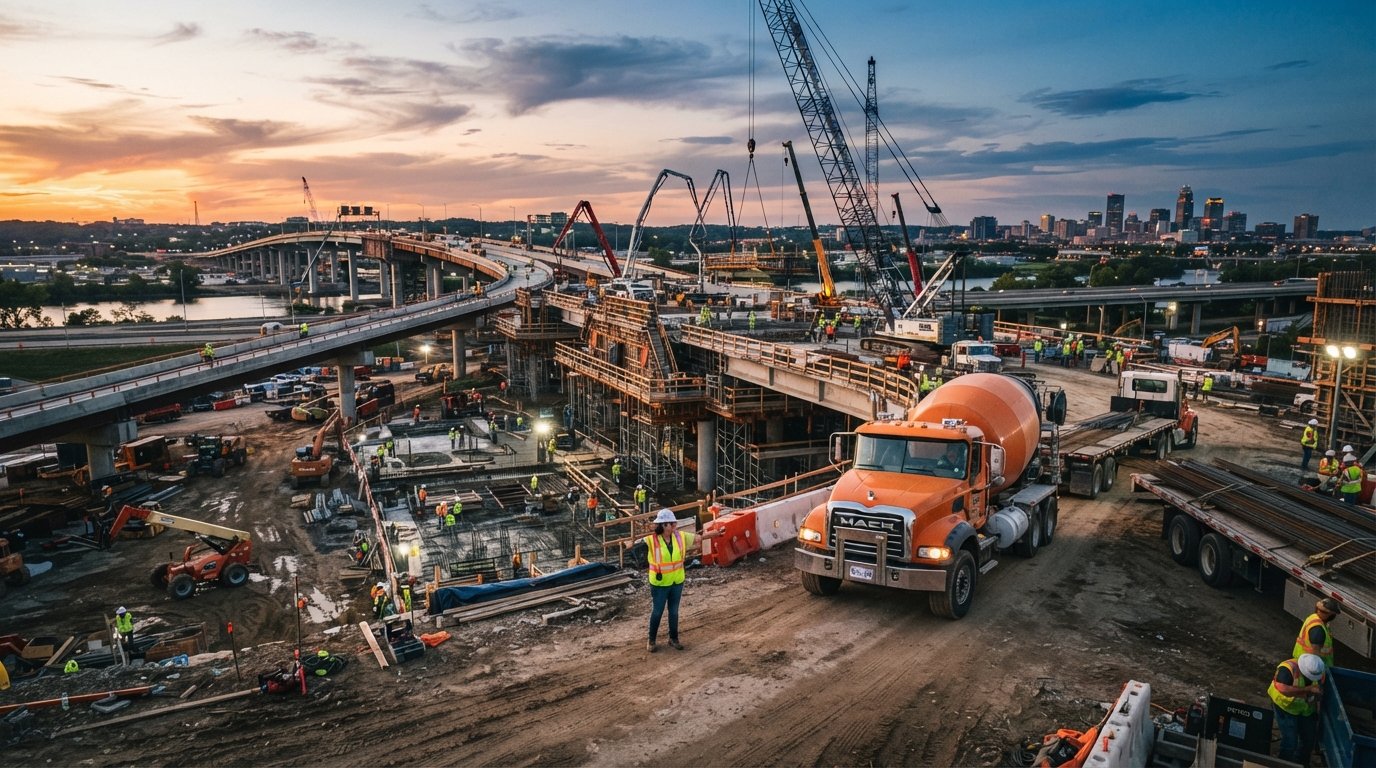
Large construction projects rarely succeed through individual effort alone. Effective contractor coordination in large projects is what keeps engineers, architects, subcontractors, suppliers, consultants, and project owners working toward the same goal. When coordination breaks down, even the best project designs can suffer from delays, cost overruns, safety incidents, material shortages, and costly rework. According to the Construction Industry Institute (CII), effective front-end planning and well-sequenced project execution significantly improve cost, schedule, and overall project performance, making proper construction coordination a key factor in successful project delivery. Modern infrastructure, industrial, healthcare, and commercial developments therefore rely on structured coordination systems to keep every stage of construction moving efficiently.
Every major project starts with high expectations, yet challenges often appear when multiple contractors work independently without proper planning and communication. Conflicting work schedules may delay critical activities, procurement issues can leave teams waiting for materials, and design changes may not reach everyone involved on time. Small coordination gaps can quickly grow into expensive disputes, quality concerns, contractual claims, and missed completion deadlines. Strong collaboration between all project participants helps reduce these risks while improving productivity, accountability, and overall project performance.
This guide explains the different types of contractor coordination in large projects, including technical coordination, scheduling, procurement, quality management, safety collaboration, and stakeholder communication. You will also discover how Dutum Group combines experienced project managers, engineering expertise, and integrated construction management systems to coordinate complex projects efficiently, delivering high-quality infrastructure and building developments across Nigeria on time, within budget, and to the highest professional standards.
Also See: Construction Drawings Explained: Full Guide
What Is Contractor Coordination in Large Projects?
Contractor coordination in large projects is the process of planning, organizing, and managing the work of everyone involved in a construction project. It ensures that contractors, subcontractors, consultants, suppliers, and the client work together efficiently to deliver the project safely, on time, and within budget.
Large construction projects involve many activities happening simultaneously. Effective coordination helps prevent misunderstandings, reduces delays, improves productivity, and ensures that every team understands its responsibilities throughout the project lifecycle.
Why Contractor Coordination Is Important
Effective contractor coordination keeps construction activities aligned with the project schedule and objectives. It improves communication, reduces costly mistakes, and allows teams to resolve issues before they affect project delivery.
Strong coordination also supports compliance with safety requirements, quality standards, and contract obligations. Public projects in Nigeria may also be subject to procurement procedures established under the Public Procurement Act 2007, promoting accountability and transparency throughout project execution.
Key Participants in Contractor Coordination
Successful coordination depends on collaboration between several project stakeholders.
| Participant | Primary Responsibility |
| Client | Defines project objectives and approves major decisions |
| Project Manager | Oversees planning, coordination, and project execution |
| General Contractor | Manages construction activities and site operations |
| Architects and Engineers | Prepare designs and provide technical guidance |
| Subcontractors | Complete specialized construction work |
| Suppliers | Deliver materials and equipment according to schedule |
| Quality and Safety Teams | Monitor compliance with project standards and safety requirements |
Also See: Construction Sequencing Explained: A Complete Guide
Common Types of Contractor Coordination in Large Projects
#1. General Contractor Coordination
The general contractor coordinates daily site activities, manages subcontractors, schedules work, and ensures construction follows the approved project plan. This role helps keep all project teams working toward the same objectives.
#2. Design and Engineering Coordination
Design coordination ensures architects, engineers, and construction teams work with the latest drawings, specifications, and technical requirements. Early collaboration reduces design conflicts and minimizes costly rework during construction.
#3. Subcontractor Coordination
Large projects often involve electrical, mechanical, plumbing, structural, and finishing contractors working at different stages. Proper coordination ensures their activities are scheduled efficiently and completed without disrupting other trades.
#4. Supplier and Material Coordination
Construction depends on timely delivery of materials and equipment. Coordinating suppliers helps maintain workflow, prevents material shortages, and reduces project delays caused by late deliveries.
#5. Health, Safety, and Quality Coordination
Construction teams must work together to maintain safe working conditions and consistent quality standards. Regular inspections, safety meetings, and quality checks help ensure compliance with the National Building Code and applicable workplace safety requirements.
#6. Client and Stakeholder Coordination
Keeping clients, consultants, regulatory authorities, and project stakeholders informed supports better decision-making and reduces misunderstandings. Regular updates also improve transparency throughout the construction process.
Essential Tools and Methods for Effective Contractor Coordination
Modern construction projects rely on digital technologies and structured communication methods to improve coordination across multiple teams and project locations.
#1. Building Information Modelling (BIM)
Building Information Modelling (BIM) creates a digital representation of a project that allows architects, engineers, and contractors to work from the same information. BIM helps identify design clashes early, improves planning, and supports better collaboration throughout construction.
#2. Project Management Software
Project management software helps teams track schedules, assign tasks, manage documents, monitor budgets, and measure project performance. Using centralized project information reduces communication errors and improves accountability.
Common features include:
- Task scheduling
- Progress tracking
- Resource management
- Budget monitoring
- Issue tracking
#3. Progress Meetings and Reporting
Regular coordination meetings allow project teams to review completed work, discuss upcoming activities, identify risks, and resolve issues before they affect construction progress. Progress reports also provide clients with clear updates on project performance.
#4. Digital Communication and Document Management
Cloud-based document management systems help ensure every team member has access to the latest drawings, contracts, specifications, and approvals. Digital communication platforms also speed up decision-making and reduce delays caused by outdated information.
Common Challenges in Contractor Coordination
Even well-planned projects can face coordination challenges. Identifying these issues early allows project teams to respond quickly and maintain project performance.
#1. Communication Gaps
Poor communication between contractors, consultants, suppliers, and project managers can result in misunderstandings, duplicated work, and costly construction errors. Clear communication channels and regular meetings help reduce these risks.
#2. Schedule Conflicts and Delays
Large projects involve many interdependent activities. Delays affecting one contractor can disrupt the work of others and extend the overall project schedule. Careful planning and continuous schedule monitoring help minimize these impacts.
#3. Resource and Material Constraints
Labour shortages, equipment availability, and delayed material deliveries can slow construction progress. Effective resource planning and supplier coordination reduce disruptions and improve productivity.
#4. Managing Multiple Contractors
Coordinating several contractors working simultaneously requires strong leadership and detailed planning. Clearly defining responsibilities, monitoring performance, and maintaining open communication help ensure every contractor contributes effectively to the project’s success.
Best Practices for Successful Contractor Coordination
#1. Define Roles and Responsibilities Early
Every contractor, consultant, supplier, and project team member should understand their responsibilities before construction begins. Clearly defining roles reduces confusion, prevents duplicated work, and improves accountability throughout the project.
Project responsibilities should be documented in contracts, project execution plans, and communication protocols to ensure everyone works toward the same objectives.
#2. Establish Clear Communication Channels
Consistent communication keeps project teams informed about schedules, design updates, safety requirements, and project changes. Regular coordination meetings, progress reports, and digital collaboration platforms help ensure information reaches the right people at the right time.
Effective communication also enables faster decision-making and minimizes misunderstandings that could disrupt construction activities.
#3. Monitor Progress and Resolve Issues Quickly
Continuous project monitoring allows teams to identify risks, track milestones, and address problems before they become major delays. Site inspections, progress reports, and performance reviews provide valuable insights into project status and help maintain construction momentum.
Taking corrective action promptly helps keep projects on schedule and within budget.
#4. Maintain Compliance with Safety and Quality Standards
Contractor coordination should include regular safety inspections, quality control checks, and compliance reviews throughout construction. Following approved procedures helps protect workers, improve construction quality, and reduce project risks.
Construction teams should also comply with applicable regulations such as the National Building Code and workplace health and safety requirements issued by relevant authorities.
Why Clients Trust Dutum Group for Contractor Coordination
Integrated Project Management
We coordinate design teams, contractors, subcontractors, suppliers, and project stakeholders through structured planning, continuous monitoring, and efficient communication to keep projects progressing smoothly.
Experienced Multidisciplinary Teams
Our experienced engineers, architects, project managers, and construction professionals work together to resolve challenges quickly while maintaining high standards of quality and safety throughout every project phase.
Proven Delivery of Large-Scale Projects
Dutum Group has successfully delivered complex commercial, healthcare, residential, industrial, educational, and infrastructure projects, demonstrating the ability to manage multiple contractors and stakeholders with confidence and professionalism.
Frequently Asked Questions
The project manager or general contractor usually leads contractor coordination, working closely with consultants, subcontractors, suppliers, and the client throughout the project.
Building Information Modelling (BIM) provides a shared digital model that helps project teams identify design conflicts early, improve collaboration, and make better construction decisions.
Common challenges include communication gaps, scheduling conflicts, material shortages, resource constraints, and managing multiple contractors working simultaneously.
Poor coordination can lead to rework, scheduling conflicts, material delivery issues, safety incidents, and communication breakdowns that slow construction progress and increase project costs.
Leave a Reply