

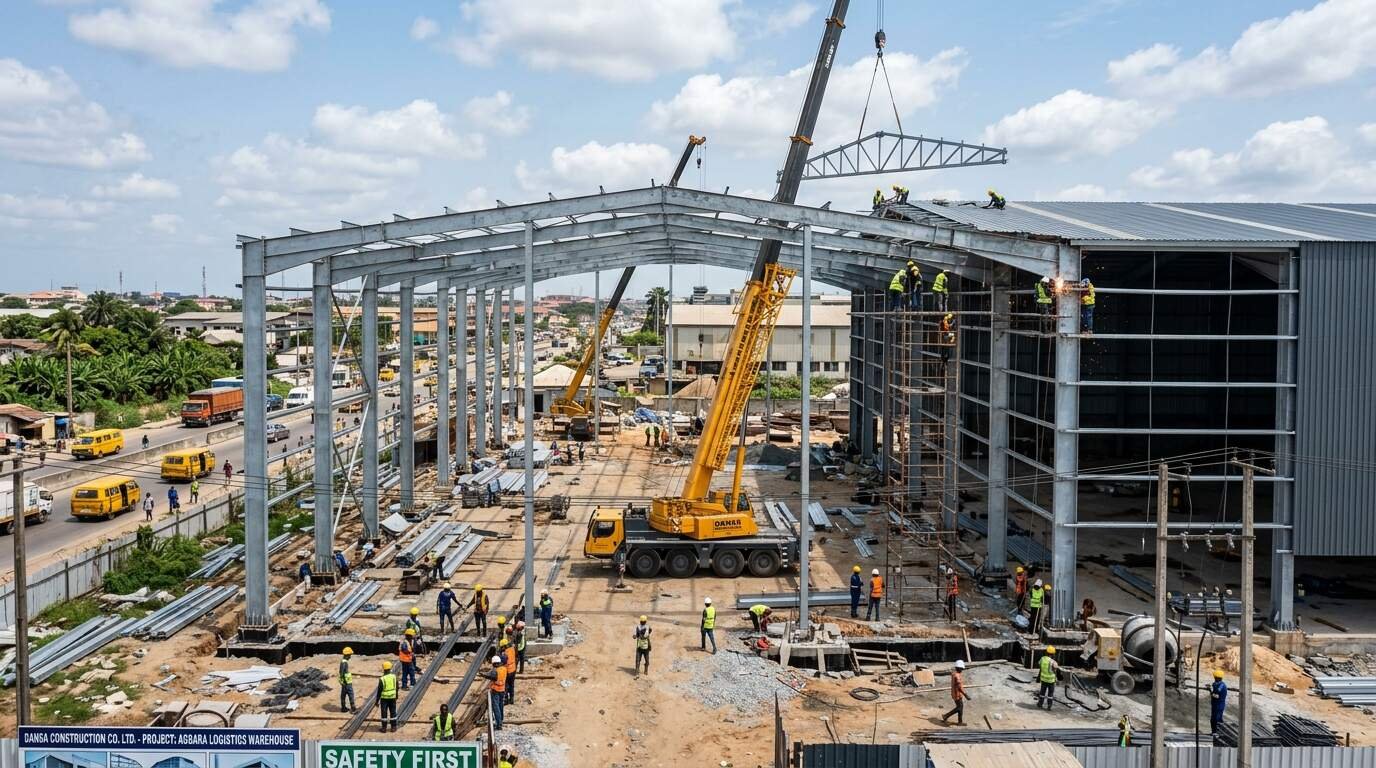
Modern warehouses have become the backbone of supply chains, manufacturing operations, and logistics networks, making warehouse construction requirements more important than ever. A warehouse is no longer just a storage facility; it is a strategic asset that directly affects operational efficiency, inventory management, and business growth. According to the World Bank, efficient logistics infrastructure plays a significant role in reducing trade costs and improving supply chain performance worldwide.
Poor warehouse planning can result in inadequate storage capacity, safety hazards, operational bottlenecks, increased maintenance costs, and future expansion challenges. Structural failures, poor ventilation, weak flooring systems, and inefficient loading areas can also disrupt business operations and reduce long-term profitability. Strong warehouse construction standards, therefore, help create facilities that are safe, durable, and capable of supporting modern business demands.
A warehouse project often begins with ambitious business goals, yet many developers encounter costly setbacks when critical design and construction requirements are overlooked. Insufficient floor load capacity may limit storage operations, poor site selection can affect transportation efficiency, and non-compliance with building regulations may lead to delays and additional expenses. Growing demands for automation, inventory control, fire protection, and sustainability have also increased the complexity of warehouse development, making careful planning essential from the earliest stages.
This guide explores the most important warehouse construction requirements, including site selection, structural design, floor specifications, fire safety systems, loading facilities, regulatory compliance, and operational planning. You will learn how experienced construction firms and Dutum Group apply engineering excellence, project management expertise, and industry best practices to deliver high-performance warehouse facilities that support efficiency, safety, and long-term business success across Nigeria.
Also See: 10 Best Warehouse Contractors in Nigeria
Key Warehouse Construction Requirements Before Building Begins
Successful warehouse projects start long before construction activities begin. Careful planning helps ensure the facility can support operational needs, regulatory requirements, and future business growth. Understanding these warehouse construction requirements early can reduce project risks, delays, and unnecessary costs.
#1. Site Selection and Feasibility Assessment
Selecting the right location is one of the most important decisions in warehouse development. The site should provide adequate space for the building, vehicle circulation, loading operations, and future expansion.
Key factors often assessed include:
- Accessibility to major roads and transport networks
- Proximity to suppliers and customers
- Land size and development potential
- Environmental constraints
- Availability of utilities and public infrastructure
A feasibility assessment helps determine whether the proposed site can support the intended warehouse operations efficiently.
#2. Soil Investigation and Ground Conditions
The strength and condition of the ground directly affect the performance of a warehouse structure. Warehouses often carry heavy loads from storage racks, machinery, and vehicle traffic, making geotechnical investigations essential.
Soil testing helps engineers evaluate:
| Assessment Area | Purpose |
| Soil bearing capacity | Determines foundation requirements |
| Groundwater conditions | Identifies drainage concerns |
| Soil stability | Reduces settlement risks |
| Subsurface characteristics | Supports structural design decisions |
Proper ground investigations help prevent foundation failures and costly structural problems later in the project.
#3. Utility and Infrastructure Availability
Modern warehouses depend on reliable infrastructure to support daily operations. Project teams must confirm that essential services are available before construction begins.
These services may include:
- Electricity supply
- Water supply
- Drainage systems
- Telecommunications infrastructure
- Road access for heavy vehicles
Insufficient infrastructure can affect warehouse efficiency and increase operational costs after completion.
#4. Zoning and Development Approvals
Every warehouse project must comply with local planning and development regulations before construction can begin.
Approvals may include:
- Land-use permits
- Building permits
- Environmental approvals
- Fire safety approvals
In Nigeria, development approvals are typically obtained through relevant state physical planning and building control authorities. Compliance with the provisions of the National Building Code also supports safe, legally compliant development.
You can also see Types of Roofs in Building Construction: Explained
Structural Requirements for Warehouse Construction
Structural design plays a major role in ensuring that warehouses can safely accommodate storage systems, equipment, and operational activities throughout their service life.
#1. Foundation Design and Load Capacity
Warehouse foundations must be designed to support both the building structure and the operational loads placed on the facility.
Engineers typically consider:
- Building weight
- Storage rack loads
- Equipment loads
- Forklift traffic
- Soil conditions
Accurate load assessments help ensure structural stability and long-term performance.
#2. Steel Structural Systems and Clear Span Design
Steel framing systems are widely used in warehouse construction because they provide strength, flexibility, and large open spaces.
Clear span designs minimise the need for internal columns, allowing:
- Better storage layouts
- Improved vehicle movement
- Greater operational flexibility
- Easier future modifications
This approach is particularly valuable for logistics, manufacturing, and distribution facilities.
#3. Floor Slab Requirements for Heavy Loads
Warehouse floors must withstand continuous use from forklifts, pallet trucks, storage systems, and heavy equipment.
Design considerations often include:
- Load-bearing capacity
- Surface durability
- Flatness and levelness
- Crack control measures
A properly designed slab helps improve safety, equipment performance, and operational efficiency.
#4. Roof Design and Weather Protection
Warehouse roofs protect inventory, equipment, and personnel from environmental conditions.
Roof systems should be designed to withstand:
- Wind loads
- Rainfall
- Temperature changes
- Long-term weather exposure
Effective drainage systems are also important for preventing water accumulation and protecting the building structure.
Also See: Fire Safety Design Requirements for High-Rise Buildings
Essential Building Systems for Modern Warehouses
Beyond the structural framework, modern warehouses require several building systems that support safe, efficient, and reliable operations.
#1. Electrical and Power Infrastructure
Warehouse operations often rely on automated equipment, lighting systems, security systems, and information technology infrastructure.
Electrical systems should be designed to provide:
- Reliable power distribution
- Equipment connectivity
- Backup power where required
- Capacity for future operational growth
Proper electrical planning helps minimise disruptions and improve productivity.
#2. Fire Protection and Safety Systems
Fire safety remains one of the most important warehouse construction requirements.
Typical fire protection systems include:
- Fire alarms
- Smoke detectors
- Automatic sprinkler systems
- Fire extinguishers
- Emergency exits
The National Fire Protection Association (NFPA) provides internationally recognised standards that guide the design and installation of many fire protection systems.
#3. Ventilation and Environmental Control
Adequate ventilation helps maintain air quality, improve worker comfort, and protect stored products.
Depending on warehouse operations, environmental control systems may help manage:
- Heat
- Humidity
- Dust
- Air circulation
Specialised facilities such as cold storage warehouses often require more advanced environmental control systems.
#4. Lighting and Energy Efficiency Measures
Good lighting improves visibility, safety, and operational performance throughout a warehouse facility.
Modern warehouse projects increasingly incorporate energy-efficient solutions such as:
- LED lighting systems
- Motion sensors
- Daylight harvesting systems
- Energy-efficient building materials
At Dutum Group, these considerations are integrated into project planning to help deliver warehouse facilities that support operational efficiency, safety, and long-term value for clients across Nigeria.
Warehouse Layout and Operational Design Considerations
A warehouse should be designed to support smooth operations, efficient storage, and future business growth. Proper planning helps maximise productivity while reducing operational bottlenecks.
Storage Capacity and Space Utilisation
Storage areas should be planned to make the best use of available floor and vertical space. Rack systems, aisle widths, and storage configurations should align with the type of products being handled.
Effective space utilisation can help:
- Increase storage capacity
- Improve inventory management
- Reduce handling time
- Enhance operational efficiency
A well-planned warehouse layout supports both current and future storage needs.
Loading Bays and Dock Design
Loading bays play a critical role in warehouse operations. Their design affects the speed and efficiency of receiving and dispatching goods.
Important considerations include:
- Number of loading docks
- Dock positioning
- Vehicle manoeuvring space
- Safety measures for loading operations
Proper dock design helps minimise delays and improve logistics performance.
Vehicle Access and Traffic Flow Planning
Warehouses often accommodate large trucks, delivery vehicles, forklifts, and employee traffic. Safe and efficient circulation routes should be incorporated into the site layout.
Planning should address:
- Entry and exit points
- Internal traffic routes
- Turning radii for large vehicles
- Pedestrian safety zones
Efficient traffic management helps reduce congestion and improve workplace safety.
Future Expansion and Scalability
Business needs can change over time. Warehouse facilities should be designed with flexibility to support future expansion without major disruptions.
Expansion planning may include:
- Additional storage areas
- Increased loading capacity
- Utility upgrades
- Space for future operational equipment
Scalable designs help protect long-term investments and reduce future redevelopment costs.
Regulatory Standards and Compliance Requirements for Warehouses
Compliance with applicable regulations is one of the most important warehouse construction requirements. Meeting regulatory standards helps ensure safety, operational reliability, and legal compliance throughout the facility’s lifespan.
#1. Building Code Compliance
Warehouse projects should comply with applicable building regulations governing structural design, accessibility, safety, and construction quality.
#2. Occupational Health and Safety Requirements
Warehouse environments can expose workers to risks associated with equipment, vehicle movement, storage systems, and manual handling activities.
Health and safety measures commonly include:
- Safe working procedures
- Emergency response plans
- Equipment safety protocols
- Worker training programmes
Compliance with occupational safety requirements helps protect employees and improve operational performance.
#3. Fire Safety Regulations
Warehouses often contain large quantities of goods and equipment, making fire protection a critical requirement.
Common fire safety measures include:
- Fire detection systems
- Automatic sprinkler systems
- Emergency exits
- Fire-resistant construction materials
- Emergency response procedures
Many fire protection systems are designed in accordance with internationally recognised standards developed by the National Fire Protection Association (NFPA).
#4. Environmental and Sustainability Considerations
Modern warehouse developments increasingly focus on reducing environmental impact and improving resource efficiency.
Common sustainability measures include:
- Energy-efficient lighting
- Water conservation systems
- Waste management plans
- Sustainable construction materials
Environmental compliance requirements may vary depending on project location and facility type.
Also See: Load Calculation in Building Design Explained
Common Challenges in Meeting Warehouse Construction Requirements
Warehouse projects often face technical and operational challenges that can affect cost, quality, and project timelines if not properly managed.
Poor Site Planning
Inadequate site assessments can create issues related to vehicle access, drainage, utility connections, and future expansion opportunities.
Early planning and feasibility studies help identify and address these risks before construction begins.
Inadequate Floor and Structural Capacity
Warehouse floors and structural systems must support anticipated storage loads and operational equipment.
Insufficient structural capacity can result in:
- Floor damage
- Operational restrictions
- Increased maintenance costs
- Safety concerns
Accurate engineering analysis is essential to ensure long-term structural performance.
Fire Safety Compliance Issues
Failure to properly integrate fire protection requirements can delay approvals and increase project risks.
Common issues include:
- Inadequate fire suppression systems
- Insufficient emergency exits
- Poor smoke management provisions
- Non-compliance with fire safety regulations
Proper planning helps ensure that fire protection systems meet applicable standards and operational needs.
Delays in Utility and Infrastructure Provision
Warehouse operations depend heavily on reliable infrastructure. Delays in power supply, water connections, telecommunications, or road access can affect construction schedules and facility readiness.
Early coordination with utility providers and relevant authorities helps minimise these delays and supports smoother project delivery.
Partner With Dutum Group for Reliable Warehouse Construction
We deliver warehouse projects with a strong focus on quality, safety, functionality, and long-term performance. From planning and engineering to construction delivery, the team provides the expertise needed to develop efficient warehouse facilities that support business growth. Contact Dutum Group, let’s discuss your warehouse construction requirements and project goals.
Frequently Asked Questions
Soil testing helps engineers determine the ground’s strength and stability. The results guide foundation design and help prevent settlement, cracking, and other structural issues.
Most warehouses use reinforced concrete floor slabs designed to support heavy loads from storage racks, forklifts, machinery, and daily operations.
Common fire safety systems include fire alarms, smoke detectors, sprinkler systems, fire extinguishers, emergency exits, and emergency lighting. Specific requirements depend on the warehouse size, use, and applicable regulations.
Construction timelines vary based on the size, complexity, location, and approval requirements of the project. Small warehouses may take a few months, while larger industrial facilities can take significantly longer to complete.
Leave a Reply