

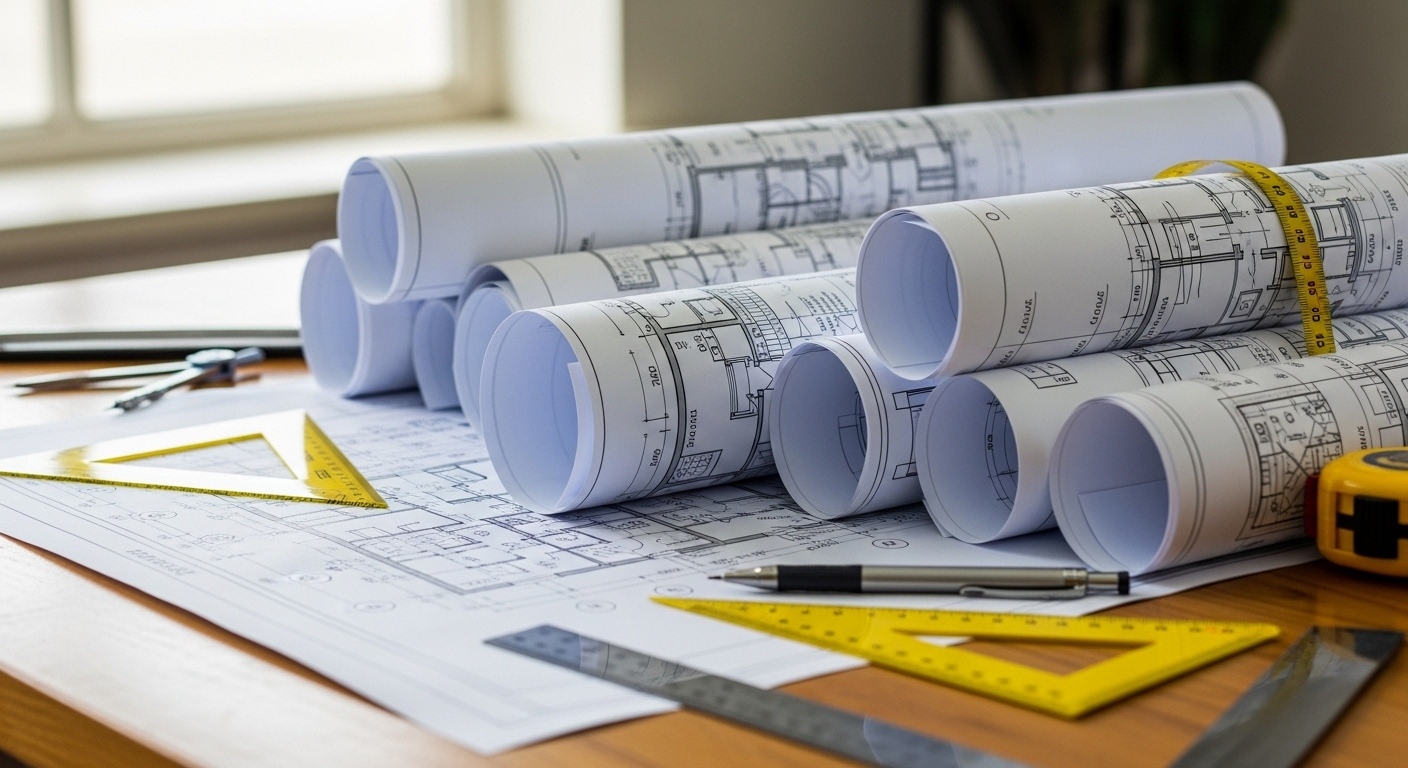
Every successful building project begins with clear technical communication. Many construction failures start when teams misunderstand project drawings or work with incomplete documentation. The topic construction drawings explained becomes critical when contractors, engineers, and developers must translate design concepts into real structures. Industry studies indicate that construction rework caused by design errors and poor documentation can consume 5–10% of total project costs, affecting timelines and budgets across projects worldwide. Misinterpreted floor plans, missing dimensions, or unclear structural details often lead to delays, safety risks, and expensive corrections. Construction teams therefore depend on accurate drawings to ensure that every beam, wall, pipe, and electrical system is built exactly as intended.
Many developers and project stakeholders encounter serious challenges when reviewing construction drawings. Site workers sometimes struggle to interpret technical symbols, while project managers must coordinate architectural, structural, electrical, and plumbing drawings at the same time. Design revisions can create confusion on construction sites if updated drawings are not communicated clearly. Developers also face regulatory pressure to ensure their drawings meet building standards and planning approvals. Unclear documentation increases the risk of project disputes, cost overruns, and construction errors that affect the overall success of a development.
The construction drawings explained full guide from Dutum Construction Company provides a clear roadmap for understanding how construction drawings work and why they matter. The guide breaks down different drawing types, explains key symbols and technical elements, and highlights how professional construction teams use these drawings to deliver safe and high-quality buildings. You will gain practical insight into how structured documentation supports efficient project delivery while helping Dutum Construction maintain its reputation for precision, reliability, and engineering excellence.
What Are Construction Drawings?
Construction drawings refers to the detailed technical drawings that show how a building should be constructed. These drawings form part of the official construction documents used by architects, engineers, contractors, and regulators to guide a project from design to completion.
Construction drawings provide a visual representation of the entire building, including structural components, layout, and building systems. Every wall, beam, door, pipe, and electrical line is illustrated with measurements and symbols so construction teams understand exactly what to build.
Professional design teams prepare these drawings using modern design tools such as CAD and Building Information Modeling (BIM). Each drawing set becomes the technical blueprint for construction, ensuring that all project participants follow the same design plan.
Construction drawings must also comply with Nigerian regulatory standards and building laws. Projects usually require approval from agencies such as the Lagos State Building Control Agency and the Council for the Regulation of Engineering in Nigeria before construction begins. The national planning framework under the Urban and Regional Planning Act also requires that developments follow approved drawings during project execution.
Key Elements Found in Construction Drawings
A complete construction drawing set normally includes multiple drawings and technical notes. These components help construction professionals interpret the design clearly.
Common elements include:
- Site layout plans showing the building position on the land
- Floor plans indicating room layouts and circulation spaces
- Structural plans describing foundations, columns, and beams
- Mechanical, electrical, and plumbing layouts (MEP)
- Sections and elevations showing vertical building details
- Material specifications and construction notes
| Drawing Component | Purpose in Construction |
| Site Plan | Shows building location, boundaries, and utilities |
| Floor Plan | Illustrates interior room layout and space arrangement |
| Structural Drawings | Define load-bearing elements such as beams and columns |
| MEP Drawings | Show mechanical, electrical, and plumbing systems |
| Sections & Elevations | Explain vertical structure and architectural features |
These drawings create a structured technical guide for construction teams working on the project.
How Construction Drawings Represent a Building Project
Construction drawings translate design ideas into clear instructions that builders can follow on site. Architects and engineers create different drawings to represent specific parts of the building.
A floor plan may show how rooms connect, while a structural drawing explains how the building will carry loads. Elevations illustrate the building exterior, and sections reveal internal structural layers.
Every drawing is connected through symbols, callouts, scales, and references, allowing contractors to move between plans and understand the full design intent. Modern digital construction workflows also allow real-time updates to drawings, which improves coordination across large projects.
Why Construction Drawings Are Important in Modern Construction
#1. Communication Between Architects, Engineers, and Contractors
Construction projects involve multiple professionals working together. Architects focus on design and functionality, engineers handle structural and mechanical systems, while contractors manage execution.
Construction drawings act as a universal technical language connecting these professionals. Every contractor or technician can refer to the same drawings to understand project requirements.
Large engineering firms such as us at Dutum Construction Company rely on coordinated drawing systems to align engineers, architects, and project managers across complex infrastructure and building developments.
#2. Improving Accuracy and Reducing Construction Errors
Clear construction drawings improve project accuracy. Builders can measure dimensions directly from the drawings, identify materials required, and follow the correct installation procedures.
Accurate drawings help prevent problems such as:
- Incorrect building dimensions
- Structural misalignment
- Mechanical system conflicts
- Improper installation of utilities
Modern BIM technology allows engineers to detect potential clashes between building systems before construction begins, reducing on-site corrections and delays.
#3. Legal Documentation and Project Records
Construction drawings also function as official project documentation. They define the approved design and form part of the contractual agreement between project owners and contractors.
These records remain valuable long after construction. Building owners often rely on them for maintenance, renovations, safety audits, and facility management.
The Construction Design Process Behind Construction Drawings
Schematic Design Stage
The schematic design stage focuses on defining the overall concept of the building. Architects collaborate with project owners and stakeholders to determine the basic design requirements.
Important decisions made at this stage include:
- Building size and footprint
- Number and function of rooms
- Building orientation on the site
- Initial layout and spatial relationships
Preliminary sketches and conceptual drawings often appear during this phase to illustrate the design direction.
Design Development Stage
The design becomes more detailed during the design development phase. Architects and engineers begin converting the initial concept into a workable technical design.
Typical tasks at this stage include:
- Developing detailed floor plans
- Creating exterior and interior elevations
- Selecting construction materials and finishes
- Designing structural and mechanical systems
Contractors may also evaluate construction feasibility and cost estimates during this stage.
Construction Documents Stage
The construction documents stage produces the final set of technical drawings required for building approval and construction. These drawings contain all dimensions, materials, specifications, and system layouts needed to build the project.
Authorities review these drawings to confirm that the project meets planning laws and safety regulations. Many projects in Nigeria require the submission of these documents to local planning authorities before construction begins.
Engineering and construction companies such as us at Dutum Construction Company use this finalized documentation to coordinate contractors, manage site execution, and deliver projects that meet professional engineering standards.
Different Drawing Views Used in Construction Drawings
These drawing views help architects, engineers, contractors, and regulators interpret building designs accurately before construction begins.
Plan Views
Plan views present a building from a top-down perspective. The drawing appears as if the building was sliced horizontally at a certain height and viewed from above.
Plan views help construction professionals understand:
- Room arrangement and circulation
- Wall positions and structural layout
- Door and window placement
- Horizontal dimensions of spaces
Contractors use plan views to determine how interior spaces connect and how construction components align across the building.
Elevation Drawings
Elevation drawings show the vertical surfaces of a building. These drawings illustrate how the building appears when viewed from the outside or from a specific side.
Important information shown in elevation drawings includes:
- Building height and proportions
- Exterior materials and finishes
- Window and door heights
- Architectural design features
Elevation drawings help architects communicate the visual appearance of the building while ensuring that height limits comply with planning regulations.
Section Drawings
Section drawings reveal the internal construction of a building. The drawing represents the structure as if it were cut vertically to show the layers inside.
These drawings typically display:
- Foundations and structural base
- Floor systems and framing
- Wall assemblies
- Roof construction
Engineers rely on sections to ensure the structural system follows engineering safety standards approved by professional regulators such as the Council for the Regulation of Engineering in Nigeria.
Detail Drawings
Detail drawings provide close-up views of specific building components that cannot be clearly shown in larger drawings.
These drawings show precise construction information, such as:
- Connection points between materials
- Structural reinforcement details
- Anchoring systems and fasteners
- Installation procedures for components
Detail drawings help builders avoid mistakes during installation and ensure construction quality.
Schedules in Construction Drawings
Schedules are structured tables that list technical information about building elements. These tables organize detailed specifications that may not fit within the drawing views.
Common schedules include:
- Door schedules
- Window schedules
- Finish schedules
- Equipment schedules
- Lighting schedules
| Schedule Type | Information Provided |
| Door Schedule | Door size, material, frame type, and hardware |
| Window Schedule | Window dimensions, glazing type, and location |
| Finish Schedule | Floor, wall, and ceiling materials |
| Equipment Schedule | Manufacturer details and technical specifications |
Schedules make it easier for contractors and suppliers to identify the exact materials required for construction.
Isometric Drawings
Isometric drawings present a three-dimensional view of building systems. This view allows engineers to visualize how mechanical or plumbing components connect throughout the building.
Isometric drawings are commonly used for:
- Plumbing pipe connections
- Mechanical duct systems
- Utility installations between floors
These drawings simplify complex system layouts and reduce installation errors during construction.
Understanding Drawing Scale in Construction Plans
Construction drawings are produced at a reduced scale so that large buildings can fit on paper while maintaining accurate proportions.
A drawing scale explains how measurements on paper correspond to real-world dimensions.
Common examples include:
| Drawing Scale | Meaning |
| 2:40 | 1 unit on the drawing equals 100 units in real life |
| 1:50 | 1 unit represents 50 real units |
| 1/4″ = 1′ | One quarter inch equals one foot |
Accurate scaling allows engineers and contractors to measure dimensions correctly during construction planning. Digital design tools and BIM platforms now help design teams maintain consistent scale across large drawing sets.
Engineering firms apply advanced digital design tools to ensure precise scaling and coordination across infrastructure and building projects.
How Construction Drawings Are Organized
A complete drawing set follows a structured order so construction professionals can locate information quickly. Organized drawing sets reduce confusion and help teams coordinate complex building activities.
Drawing sets usually follow a classification system where each discipline has its own group of drawings.
Cover Sheets and General Notes
Cover sheets appear at the beginning of a drawing set. These pages provide important project information such as:
- Project name and location
- Drawing index
- Symbols and abbreviations
- Professional approvals and signatures
Authorities reviewing development proposals often check these documents to confirm compliance with planning rules.
Civil and Site Drawings
Civil drawings show how the building fits within the project site and surrounding infrastructure.
Typical elements include:
- Site layout and building placement
- Parking areas and access roads
- Drainage and stormwater systems
- Utility connections such as water and electricity
- Landscaping plans
Site planning must comply with local development regulations administered by agencies like the Lagos State Physical Planning Permit Authority.
Architectural Drawing Sets
Architectural drawings define the layout, design, and appearance of the building.
They usually include:
- Floor plans
- Roof plans
- Exterior elevations
- Interior design details
- Finish schedules
Architectural drawings guide how the building will function and appear when completed.
Structural Drawing Sets
Structural drawings focus on the engineering framework that supports the building.
These drawings typically contain:
- Foundation plans
- Column and beam layouts
- Structural framing systems
- Reinforcement details
Structural drawings must meet engineering standards enforced by the Council for the Regulation of Engineering in Nigeria.
Mechanical Drawings
Mechanical drawings explain the installation of HVAC and climate control systems.
Information shown may include:
- Air-conditioning equipment placement
- Ductwork layouts
- Mechanical piping systems
- Temperature control systems
Mechanical drawings ensure buildings maintain proper ventilation and indoor air quality.
Plumbing Drawings
Plumbing drawings describe water systems within the building.
Typical plumbing drawings illustrate:
- Water supply lines
- Waste and drainage systems
- Gas piping networks
- Roof drainage systems
These drawings help maintain sanitation and water efficiency in building operations.
Electrical Drawings
Electrical drawings define the building’s electrical infrastructure.
They usually include:
- Lighting plans
- Power distribution diagrams
- Electrical panel schedules
- Wiring systems and circuit layouts
Electrical engineers prepare these drawings to ensure safe power distribution and compliance with electrical standards.
Fire Protection Drawings
Fire protection drawings show systems designed to protect occupants during emergencies.
Important elements include:
- Fire sprinkler systems
- Alarm systems and detectors
- Emergency exits and evacuation routes
Safety requirements for these systems often follow international fire safety standards while aligning with local regulatory inspections.
How to Read Construction Drawings Quickly and Correctly
Start with the Drawing Index
The drawing index provides a list of every drawing in the set. Reviewing this index helps you understand the structure of the entire drawing package and locate relevant pages quickly.
Follow the Plan–Section–Detail Sequence
Construction drawings usually follow a logical reading order:
- Plan drawings show the layout
- Section drawings reveal the internal structure
- Detail drawings provide precise construction instructions
This sequence allows engineers and contractors to understand the building from general layout to detailed construction components.
Cross-Reference Drawings with Specifications
Technical specifications often accompany construction drawings. These documents describe materials, installation methods, and performance requirements.
Cross-referencing drawings with specifications ensures that builders use the correct materials and follow approved engineering standards.
Track Notes, Symbols, and Callouts
Symbols and callouts appear throughout construction drawings to guide you to related details or schedules.
Professionals reviewing drawings should pay attention to:
- Reference numbers
- Section markers
- Detail callouts
- Material notes
Careful tracking of these references helps teams understand complex building systems accurately and ensures smooth project execution.
Frequently Asked Questions
Licensed professionals such as architects, civil engineers, and structural engineers prepare construction drawings. Professional practice is regulated by organizations including the Architects Registration Council of Nigeria and the Council for the Regulation of Engineering in Nigeria.
Yes. Planning authorities require approved construction drawings before any building project can begin. Local agencies such as the Lagos State Physical Planning Permit Authority review these drawings to ensure compliance with building and zoning regulations.
Architectural drawings focus on building layout, design, and aesthetics. Structural drawings focus on load-bearing components such as foundations, beams, and columns that ensure the building remains stable and safe.
Construction drawings generally remain valid until major design changes occur or until planning authorities require new approvals. Building regulators may request updated drawings when modifications affect safety, zoning limits, or structural performance.
Leave a Reply