

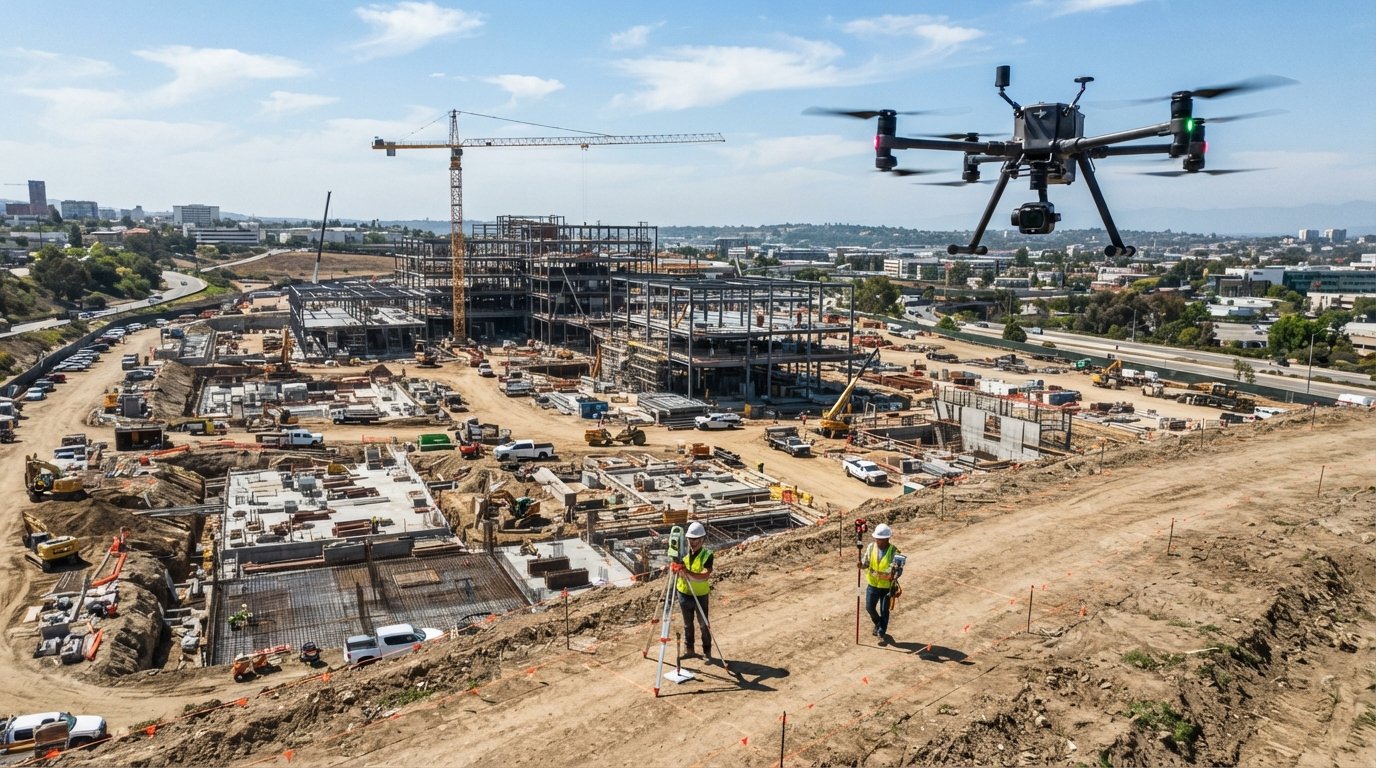
Every successful construction project depends on clear communication, and construction progress reporting methods are at the heart of that process. A single missing update can delay material deliveries, increase project costs, create disputes between stakeholders, and affect project completion dates. According to the Project Management Institute (PMI), poor communication is one of the leading causes of project failure, making timely and accurate reporting essential for successful project delivery. Construction progress reports provide real-time visibility into completed work, project schedules, costs, safety performance, and potential risks, allowing project teams to make informed decisions before small issues become major setbacks.
A project may begin with a realistic schedule and budget, yet progress can quickly slow when reporting systems are inconsistent or incomplete. Contractors may struggle to track site activities, consultants may receive outdated information, and clients may lose confidence due to poor project visibility. Delayed reporting often leads to slow decision-making, payment disputes, scheduling conflicts, procurement delays, and avoidable cost overruns. Strong reporting practices create accountability, improve collaboration, and help every stakeholder stay aligned throughout the construction lifecycle.
This guide explains the most effective construction progress reporting methods, including daily site reports, weekly and monthly progress reports, digital reporting tools, performance tracking, and reporting best practices for modern construction projects. You will also discover how Dutum Group combines structured project management, engineering expertise, and advanced reporting systems to deliver transparent communication, efficient project execution, and high-quality infrastructure projects across Nigeria.
Also See: Design and Build vs Traditional Contract | Which is Better
What Are Construction Progress Reporting Methods?
Construction progress reporting methods are structured ways of recording, tracking, and communicating how a construction project is performing from start to finish. They help project owners, consultants, contractors, and site managers compare completed work with the original plan, identify delays early, and make informed decisions before small issues become costly problems.
Modern construction progress reporting methods combine traditional site inspections with digital tools, photographs, dashboards, and project management software to provide accurate updates. Clear reporting also supports transparency, improves accountability, and creates reliable records for future reference. Large projects in Nigeria often require regular reporting to demonstrate compliance with contract requirements, safety standards, and quality expectations.
Why Progress Reporting Matters on Every Construction Project
Construction projects involve multiple teams working on different activities at the same time. Without consistent progress reporting, communication gaps can develop, leading to missed deadlines, budget overruns, and avoidable rework.
Effective construction progress reporting methods help project teams:
- Measure actual work against the planned schedule.
- Identify delays before they affect critical milestones.
- Improve communication between the site and office.
- Support faster decision-making.
- Maintain proper records for inspections, audits, and contract administration.
- Build confidence among clients and stakeholders through regular updates.
Construction reporting also supports good project governance, which is encouraged under the Public Procurement Act 2007 for public projects in Nigeria. The Act promotes accountability, proper documentation, and transparent project execution.
What Information Should a Progress Report Include?
A well-prepared construction progress report should provide a clear picture of the project’s current status. Rather than simply stating that work is ongoing, it should explain what has been completed, what is currently in progress, and what actions are required next.
Typical information includes:
| Progress Report Component | Purpose |
| Completed activities | Shows work finished during the reporting period. |
| Current project progress | Tracks ongoing construction activities. |
| Planned upcoming work | Helps teams prepare for the next phase. |
| Schedule performance | Compares planned dates with actual progress. |
| Labour and equipment updates | Monitors workforce and machinery utilization. |
| Material delivery status | Identifies supply issues that may affect progress. |
| Safety observations | Reports incidents, inspections, and compliance activities. |
| Quality inspections | Confirms work meets project specifications. |
| Risks and delays | Highlights issues requiring immediate attention. |
At Dutum Group, structured reporting allows our project teams to maintain visibility across every stage of construction, enabling clients to receive accurate updates while supporting better planning and project control.
Common Construction Progress Reporting Methods
#1. Daily Site Progress Reports
Daily reports capture activities completed each working day. They provide an ongoing record of site operations and help project managers identify issues before they affect overall project delivery.
Daily reports commonly record:
- Work completed
- Labour attendance
- Equipment usage
- Material deliveries
- Weather conditions
- Site instructions
- Safety observations
- Unexpected delays
Daily reporting also creates valuable documentation if disputes or contract claims arise later.
#2. Weekly and Monthly Progress Reports
Weekly and monthly reports provide a broader view of project performance by combining daily records into meaningful summaries. These reports are commonly shared with project owners, consultants, lenders, and senior management.
They typically include:
- Overall project completion percentage
- Progress against key milestones
- Budget performance
- Resource utilization
- Outstanding issues
- Planned activities for the next reporting period
Regular reporting enables stakeholders to make informed decisions without waiting until project completion.
#3. Photo and Video Progress Documentation
Visual documentation has become one of the most effective construction progress reporting methods. Photographs, videos, drone images, and 360-degree site captures provide objective evidence of completed work and site conditions.
Benefits include:
- Easier verification of completed work
- Better communication with remote stakeholders
- Reduced disputes over construction progress
- Improved documentation before work becomes concealed
Visual records are especially useful during structural works, mechanical installations, and finishing stages where future inspections may be difficult.
#4. Digital Dashboards and Construction Management Software
Digital reporting platforms collect project information in one location, allowing project teams to monitor schedules, costs, safety, quality, and documentation in real time.
Many modern systems integrate:
- Progress tracking
- Cost reporting
- Document management
- Inspection records
- Equipment monitoring
- Quality control
- Dashboard reporting
Using digital reporting helps reduce manual errors while giving decision-makers immediate access to current project information.
Key Elements of an Effective Construction Progress Report
#1. Project Schedule and Milestone Tracking
Monitoring project milestones helps determine whether construction activities remain aligned with the approved programme. Comparing planned dates with actual progress allows project managers to identify schedule variances early and implement corrective actions before delays affect future activities.
Schedule tracking commonly includes:
- Planned milestones
- Completed milestones
- Activities currently in progress
- Percentage of work completed
- Critical path updates
#2. Cost, Resource, and Equipment Updates
Financial performance is closely linked to construction progress. Reports should monitor labour, equipment, materials, and project costs to ensure resources are being used efficiently.
Important updates include:
- Labour allocation
- Equipment utilization
- Material consumption
- Budget performance
- Procurement status
Monitoring these indicators helps improve productivity while reducing unnecessary project costs.
#3. Safety, Quality, and Compliance Reporting
Construction reporting should demonstrate that work is progressing safely and meets required quality standards. Regular inspections help identify non-conformance issues before they become expensive defects.
Safety and quality reporting often covers:
- Safety inspections
- Incident reports
- Toolbox meetings
- Quality inspections
- Material testing results
- Corrective actions
- Regulatory compliance
Projects in Nigeria should comply with relevant occupational safety requirements issued by the Federal Ministry of Labour and Employment and follow the Factories Act, which establishes workplace safety obligations.
#4. Risks, Delays, and Corrective Actions
Every construction project faces risks, whether from weather conditions, material shortages, design revisions, labour availability, or regulatory approvals. Effective reports identify these issues early and outline practical solutions before they escalate.
A strong progress report should clearly state:
- Current project risks
- Causes of delays
- Potential impact on schedule and cost
- Recommended corrective actions
- Responsible team members
- Updated completion forecasts
Consistent risk reporting enables construction teams to resolve problems proactively instead of reacting after significant delays occur. This disciplined reporting approach is one of the reasons experienced contractors like us at Dutum Group maintain better project visibility, stronger stakeholder communication, and more predictable project outcomes.
Best Practices for Construction Progress Reporting
#1. Standardize Reporting Templates
Using the same reporting format throughout a project makes information easier to understand and compare over time. Standard templates help every team record progress, costs, safety observations, and risks in a consistent way. They also reduce reporting errors and improve accountability across different project phases.
#2. Collect Accurate Site Data on Time
Reports should be based on actual site conditions rather than assumptions. Site engineers and supervisors should record completed work, material deliveries, equipment usage, workforce numbers, and any delays as they occur. Timely information allows project managers to make informed decisions before small issues become major problems.
#3. Use Digital Reporting Tools
Digital reporting platforms simplify data collection, improve accuracy, and provide real-time visibility for project teams. Construction management software also stores project records securely, making it easier to track milestones, monitor performance, and retrieve information during inspections or audits.
#4. Share Reports with All Project Stakeholders
Progress reports should be distributed to everyone involved in the project, including clients, consultants, contractors, and project managers. Clear communication keeps stakeholders aligned, speeds up approvals, and reduces misunderstandings that could affect project delivery.
Common Challenges in Construction Progress Reporting
#1. Incomplete or Delayed Site Information
Missing site updates often result in inaccurate reports. Delays in recording completed work, material deliveries, or site conditions can prevent project managers from responding quickly to emerging issues.
#2. Poor Communication Between Site and Office
Construction teams often work across different locations. Weak communication between site personnel and office-based managers can create conflicting reports, slow decision-making, and increase project risks.
#3. Inconsistent Reporting Formats
Different reporting styles make it difficult to compare progress across reporting periods. Standardized documentation improves clarity and allows stakeholders to review project performance more efficiently.
#4. Lack of Real-Time Project Visibility
Traditional paper-based reporting may not reflect current site conditions. Digital reporting systems provide faster updates, allowing project teams to identify delays, monitor productivity, and adjust project plans before problems escalate.
How Dutum Group Delivers Accurate Construction Progress Reporting
Successful construction projects require reliable reporting systems supported by experienced professionals. We combine modern project management processes with practical site expertise to keep clients informed throughout every stage of construction.
Integrated Project Monitoring Systems
Dutum Group uses structured reporting processes to monitor project schedules, construction milestones, resource utilization, and site performance, allowing project teams to identify issues early and maintain steady progress.
Experienced Project Management Team
Our experienced engineers, project managers, and site supervisors work together to verify project data, coordinate activities, and ensure every report reflects actual site conditions.
Transparent Reporting for Clients and Stakeholders
Clear and timely progress reports provide clients, consultants, and stakeholders with accurate updates on project status, helping build trust, support informed decisions, and maintain transparency from project commencement to completion.
Frequently Asked Questions
Reporting frequency depends on the project. Daily reports are common for site activities, while weekly and monthly reports provide broader updates for project managers, clients, and stakeholders.
Site engineers, supervisors, construction managers, and project managers usually prepare progress reports. Each team member contributes information based on their area of responsibility.
Daily reports focus on site activities completed within a single day, while monthly reports summarize overall project performance, including schedule progress, costs, major achievements, and key risks.
Regular reporting identifies schedule variances, resource shortages, and construction risks early, allowing project teams to take corrective action before delays become more severe.
Common challenges include delayed site information, inconsistent reporting formats, poor communication between field and office teams, and limited real-time visibility into project performance.
Leave a Reply